
Get trending papers in your email inbox once a day!
Get trending papers in your email inbox!
Subscribe
A Survey of Methods for Automated Algorithm Configuration
Algorithm configuration (AC) is concerned with the automated search of the most suitable parameter configuration of a parametrized algorithm. There is currently a wide variety of AC problem variants and methods proposed in the literature. Existing reviews do not take into account all derivatives of the AC problem, nor do they offer a complete classification scheme. To this end, we introduce taxonomies to describe the AC problem and features of configuration methods, respectively. We review existing AC literature within the lens of our taxonomies, outline relevant design choices of configuration approaches, contrast methods and problem variants against each other, and describe the state of AC in industry. Finally, our review provides researchers and practitioners with a look at future research directions in the field of AC.
Detector configuration of KAGRA - the Japanese cryogenic gravitational-wave detector
Construction of the Japanese second-generation gravitational-wave detector KAGRA has been started. In the next 6 \sim 7 years, we will be able to observe the space-time ripple from faraway galaxies. KAGRA is equipped with the latest advanced technologies. The entire 3-km long detector is located in the underground to be isolated from the seismic motion, the core optics are cooled down to 20 K to reduce thermal fluctuations, and quantum non-demolition techniques are used to decrease quantum noise. In this paper, we introduce the detector configuration of KAGRA; its design, strategy, and downselection of parameters.
AutoPEFT: Automatic Configuration Search for Parameter-Efficient Fine-Tuning
Large pretrained language models are widely used in downstream NLP tasks via task-specific fine-tuning, but such procedures can be costly. Recently, Parameter-Efficient Fine-Tuning (PEFT) methods have achieved strong task performance while updating a much smaller number of parameters compared to full model fine-tuning (FFT). However, it is non-trivial to make informed design choices on the PEFT configurations, such as their architecture, the number of tunable parameters, and even the layers in which the PEFT modules are inserted. Consequently, it is highly likely that the current, manually designed configurations are suboptimal in terms of their performance-efficiency trade-off. Inspired by advances in neural architecture search, we propose AutoPEFT for automatic PEFT configuration selection: we first design an expressive configuration search space with multiple representative PEFT modules as building blocks. Using multi-objective Bayesian optimisation in a low-cost setup, we then discover a Pareto-optimal set of configurations with strong performance-cost trade-offs across different numbers of parameters that are also highly transferable across different tasks. Empirically, on GLUE and SuperGLUE tasks, we show that AutoPEFT-discovered configurations significantly outperform existing PEFT methods and are on par or better than FFT, without incurring substantial training efficiency costs.


LABIIUM: AI-Enhanced Zero-configuration Measurement Automation System
The complexity of laboratory environments requires solutions that simplify instrument interaction and enhance measurement automation. Traditional tools often require configuration, software, and programming skills, creating barriers to productivity. Previous approaches, including dedicated software suites and custom scripts, frequently fall short in providing user-friendly solutions that align with programming practices. We present LABIIUM, an AI-enhanced, zero-configuration measurement automation system designed to streamline experimental workflows and improve user productivity. LABIIUM integrates an AI assistant powered by Large Language Models (LLMs) to generate code. LABIIUM's Lab-Automation-Measurement Bridges (LAMBs) enable seamless instrument connectivity using standard tools such as VSCode and Python, eliminating setup overhead. To demonstrate its capabilities, we conducted experiments involving the measurement of the parametric transfer curve of a simple two-transistor inverting amplifier with a current source load. The AI assistant was evaluated using different prompt scenarios and compared with multiple models, including Claude Sonnet 3.5, Gemini Pro 1.5, and GPT-4o. An expert solution implementing the Gradient-Weighted Adaptive Stochastic Sampling (GWASS) method was used as a baseline. The solutions generated by the AI assistant were compared with the expert solution and a uniform linear sweep baseline with 10,000 points. The graph results show that the LLMs were able to successfully complete the most basic uniform sweep, but LLMs were unable to develop adaptive sweeping algorithms to compete with GWASS. The evaluation underscores LABIIUM's ability to enhance laboratory productivity and support digital transformation in research and industry, and emphasizes the future work required to improve LLM performance in Electronic Measurement Science Tasks.

The Impact of Environment Configurations on the Stability of AI-Enabled Systems
Nowadays, software systems tend to include Artificial Intelligence (AI) components. Changes in the operational environment have been known to negatively impact the stability of AI-enabled software systems by causing unintended changes in behavior. However, how an environment configuration impacts the behavior of such systems has yet to be explored. Understanding and quantifying the degree of instability caused by different environment settings can help practitioners decide the best environment configuration for the most stable AI systems. To achieve this goal, we performed experiments with eight different combinations of three key environment variables (operating system, Python version, and CPU architecture) on 30 open-source AI-enabled systems using the Travis CI platform. We determine the existence and the degree of instability introduced by each configuration using three metrics: the output of an AI component of the system (model performance), the time required to build and run the system (processing time), and the cost associated with building and running the system (expense). Our results indicate that changes in environment configurations lead to instability across all three metrics; however, it is observed more frequently with respect to processing time and expense rather than model performance. For example, between Linux and MacOS, instability is observed in 23\%, 96.67\%, and 100\% of the studied projects in model performance, processing time, and expense, respectively. Our findings underscore the importance of identifying the optimal combination of configuration settings to mitigate drops in model performance and reduce the processing time and expense before deploying an AI-enabled system.

Coarse-Grained Configurational Polymer Fingerprints for Property Prediction using Machine Learning
In this work, we present a method to generate a configurational level fingerprint for polymers using the Bead-Spring-Model. Unlike some of the previous fingerprinting approaches that employ monomer-level information where atomistic descriptors are computed using quantum chemistry calculations, this approach incorporates configurational information from a coarse-grained model of a long polymer chain. The proposed approach may be advantageous for the study of behavior resulting from large molecular weights. To create this fingerprint, we make use of two kinds of descriptors. First, we calculate certain geometric descriptors like Re2, Rg2 etc. and label them as Calculated Descriptors. Second, we generate a set of data-driven descriptors using an unsupervised autoencoder model and call them Learnt Descriptors. Using a combination of both of them, we are able to learn mappings from the structure to various properties of the polymer chain by training ML models. We test our fingerprint to predict the probability of occurrence of a configuration at equilibrium, which is approximated by a simple linear relationship between the instantaneous internal energy and equilibrium average internal energy.

Online Matching with Stochastic Rewards: Advanced Analyses Using Configuration Linear Programs
Mehta and Panigrahi (2012) proposed Online Matching with Stochastic Rewards, which generalizes the Online Bipartite Matching problem of Karp, Vazirani, and Vazirani (1990) by associating the edges with success probabilities. This new feature captures the pay-per-click model in online advertising. Recently, Huang and Zhang (2020) studied this problem under the online primal dual framework using the Configuration Linear Program (LP), and got the best known competitive ratios of the Stochastic Balance algorithm. Their work suggests that the more expressive Configuration LP is more suitable for this problem than the Matching LP. This paper advances the theory of Configuration LP in two directions. Our technical contribution includes a characterization of the joint matching outcome of an offline vertex and all its neighbors. This characterization may be of independent interest, and is aligned with the spirit of Configuration LP. By contrast, previous analyses of Ranking generally focus on only one neighbor. Second, we designed a Stochastic Configuration LP that captures a stochastic benchmark proposed by Goyal and Udwani (2020), who used a Path-based LP. The Stochastic Configuration LP is smaller and simpler than the Path-based LP. Moreover, using the new LP we improved the competitive ratio of Stochastic Balance from 0.596 to 0.611 when the success probabilities are infinitesimal, and to 0.613 when the success probabilities are further equal.
AC-Band: A Combinatorial Bandit-Based Approach to Algorithm Configuration
We study the algorithm configuration (AC) problem, in which one seeks to find an optimal parameter configuration of a given target algorithm in an automated way. Recently, there has been significant progress in designing AC approaches that satisfy strong theoretical guarantees. However, a significant gap still remains between the practical performance of these approaches and state-of-the-art heuristic methods. To this end, we introduce AC-Band, a general approach for the AC problem based on multi-armed bandits that provides theoretical guarantees while exhibiting strong practical performance. We show that AC-Band requires significantly less computation time than other AC approaches providing theoretical guarantees while still yielding high-quality configurations.
Automated Dynamic Algorithm Configuration
The performance of an algorithm often critically depends on its parameter configuration. While a variety of automated algorithm configuration methods have been proposed to relieve users from the tedious and error-prone task of manually tuning parameters, there is still a lot of untapped potential as the learned configuration is static, i.e., parameter settings remain fixed throughout the run. However, it has been shown that some algorithm parameters are best adjusted dynamically during execution, e.g., to adapt to the current part of the optimization landscape. Thus far, this is most commonly achieved through hand-crafted heuristics. A promising recent alternative is to automatically learn such dynamic parameter adaptation policies from data. In this article, we give the first comprehensive account of this new field of automated dynamic algorithm configuration (DAC), present a series of recent advances, and provide a solid foundation for future research in this field. Specifically, we (i) situate DAC in the broader historical context of AI research; (ii) formalize DAC as a computational problem; (iii) identify the methods used in prior-art to tackle this problem; (iv) conduct empirical case studies for using DAC in evolutionary optimization, AI planning, and machine learning.

A Study on Transformer Configuration and Training Objective
Transformer-based models have delivered impressive results on many tasks, particularly vision and language tasks. In many model training situations, conventional configurations are typically adopted. For example, we often set the base model with hidden dimensions (i.e. model width) to be 768 and the number of transformer layers (i.e. model depth) to be 12. In this paper, we revisit these conventional configurations. Through theoretical analysis and experimental evaluation, we show that the masked autoencoder is effective in alleviating the over-smoothing issue in deep transformer training. Based on this finding, we propose Bamboo, an idea of using deeper and narrower transformer configurations, for masked autoencoder training. On ImageNet, with such a simple change in configuration, re-designed model achieves 87.1% top-1 accuracy and outperforms SoTA models like MAE and BEiT. On language tasks, re-designed model outperforms BERT with default setting by 1.1 points on average, on GLUE datasets.
DACBench: A Benchmark Library for Dynamic Algorithm Configuration
Dynamic Algorithm Configuration (DAC) aims to dynamically control a target algorithm's hyperparameters in order to improve its performance. Several theoretical and empirical results have demonstrated the benefits of dynamically controlling hyperparameters in domains like evolutionary computation, AI Planning or deep learning. Replicating these results, as well as studying new methods for DAC, however, is difficult since existing benchmarks are often specialized and incompatible with the same interfaces. To facilitate benchmarking and thus research on DAC, we propose DACBench, a benchmark library that seeks to collect and standardize existing DAC benchmarks from different AI domains, as well as provide a template for new ones. For the design of DACBench, we focused on important desiderata, such as (i) flexibility, (ii) reproducibility, (iii) extensibility and (iv) automatic documentation and visualization. To show the potential, broad applicability and challenges of DAC, we explore how a set of six initial benchmarks compare in several dimensions of difficulty.
Exploring Diverse In-Context Configurations for Image Captioning
After discovering that Language Models (LMs) can be good in-context few-shot learners, numerous strategies have been proposed to optimize in-context sequence configurations. Recently, researchers in Vision-Language (VL) domains also develop their few-shot learners, while they only use the simplest way, ie., randomly sampling, to configure in-context image-text pairs. In order to explore the effects of varying configurations on VL in-context learning, we devised four strategies for image selection and four for caption assignment to configure in-context image-text pairs for image captioning. Here Image Captioning is used as the case study since it can be seen as the visually-conditioned LM. Our comprehensive experiments yield two counter-intuitive but valuable insights, highlighting the distinct characteristics of VL in-context learning due to multi-modal synergy, as compared to the NLP case. Furthermore, in our exploration of optimal combination strategies, we observed an average performance enhancement of 20.9 of CIDEr scores compared to the baseline. The code is given in https://github.com/yongliang-wu/ExploreCfg.

RAGServe: Fast Quality-Aware RAG Systems with Configuration Adaptation
RAG (Retrieval Augmented Generation) allows LLMs (large language models) to generate better responses with external knowledge, but using more external knowledge often improves generation quality at the expense of response delay. Prior work either reduces the response delay (through better scheduling of RAG queries) or strives to maximize quality (which involves tuning the RAG workflow), but they fall short in optimizing the tradeoff between the delay and quality of RAG responses. This paper presents RAGServe, the first RAG system that jointly schedules queries and adapts the key RAG configurations of each query, such as the number of retrieved text chunks and synthesis methods, in order to balance quality optimization and response delay reduction. Using 4 popular RAG-QA datasets, we show that compared with the state-of-the-art RAG optimization schemes, RAGServe reduces the generation latency by 1.64-2.54times without sacrificing generation quality.


Benchmarking Mobile Device Control Agents across Diverse Configurations
Developing autonomous agents for mobile devices can significantly enhance user interactions by offering increased efficiency and accessibility. However, despite the growing interest in mobile device control agents, the absence of a commonly adopted benchmark makes it challenging to quantify scientific progress in this area. In this work, we introduce B-MoCA: a novel benchmark designed specifically for evaluating mobile device control agents. To create a realistic benchmark, we develop B-MoCA based on the Android operating system and define 60 common daily tasks. Importantly, we incorporate a randomization feature that changes various aspects of mobile devices, including user interface layouts and language settings, to assess generalization performance. We benchmark diverse agents, including agents employing large language models (LLMs) or multi-modal LLMs as well as agents trained from scratch using human expert demonstrations. While these agents demonstrate proficiency in executing straightforward tasks, their poor performance on complex tasks highlights significant opportunities for future research to enhance their effectiveness. Our source code is publicly available at https://b-moca.github.io.
Monolithic 3D FPGAs Utilizing Back-End-of-Line Configuration Memories
This work presents a novel monolithic 3D (M3D) FPGA architecture that leverages stackable back-end-of-line (BEOL) transistors to implement configuration memory and pass gates, significantly improving area, latency, and power efficiency. By integrating n-type (W-doped In_2O_3) and p-type (SnO) amorphous oxide semiconductor (AOS) transistors in the BEOL, Si SRAM configuration bits are substituted with a less leaky equivalent that can be programmed at logic-compatible voltages. BEOL-compatible AOS transistors are currently under extensive research and development in the device community, with investment by leading foundries, from which reported data is used to develop robust physics-based models in TCAD that enable circuit design. The use of AOS pass gates reduces the overhead of reconfigurable circuits by mapping FPGA switch block (SB) and connection block (CB) matrices above configurable logic blocks (CLBs), thereby increasing the proximity of logic elements and reducing latency. By interfacing with the latest Verilog-to-Routing (VTR) suite, an AOS-based M3D FPGA design implemented in 7 nm technology is demonstrated with 3.4x lower area-time squared product (AT^2), 27% lower critical path latency, and 26% lower reconfigurable routing block power on benchmarks including hyperdimensional computing and large language models (LLMs).

A Methodology for Evaluating RAG Systems: A Case Study On Configuration Dependency Validation
Retrieval-augmented generation (RAG) is an umbrella of different components, design decisions, and domain-specific adaptations to enhance the capabilities of large language models and counter their limitations regarding hallucination and outdated and missing knowledge. Since it is unclear which design decisions lead to a satisfactory performance, developing RAG systems is often experimental and needs to follow a systematic and sound methodology to gain sound and reliable results. However, there is currently no generally accepted methodology for RAG evaluation despite a growing interest in this technology. In this paper, we propose a first blueprint of a methodology for a sound and reliable evaluation of RAG systems and demonstrate its applicability on a real-world software engineering research task: the validation of configuration dependencies across software technologies. In summary, we make two novel contributions: (i) A novel, reusable methodological design for evaluating RAG systems, including a demonstration that represents a guideline, and (ii) a RAG system, which has been developed following this methodology, that achieves the highest accuracy in the field of dependency validation. For the blueprint's demonstration, the key insights are the crucial role of choosing appropriate baselines and metrics, the necessity for systematic RAG refinements derived from qualitative failure analysis, as well as the reporting practices of key design decision to foster replication and evaluation.
Deep Reinforcement Learning Based Joint Downlink Beamforming and RIS Configuration in RIS-aided MU-MISO Systems Under Hardware Impairments and Imperfect CSI
We introduce a novel deep reinforcement learning (DRL) approach to jointly optimize transmit beamforming and reconfigurable intelligent surface (RIS) phase shifts in a multiuser multiple input single output (MU-MISO) system to maximize the sum downlink rate under the phase-dependent reflection amplitude model. Our approach addresses the challenge of imperfect channel state information (CSI) and hardware impairments by considering a practical RIS amplitude model. We compare the performance of our approach against a vanilla DRL agent in two scenarios: perfect CSI and phase-dependent RIS amplitudes, and mismatched CSI and ideal RIS reflections. The results demonstrate that the proposed framework significantly outperforms the vanilla DRL agent under mismatch and approaches the golden standard. Our contributions include modifications to the DRL approach to address the joint design of transmit beamforming and phase shifts and the phase-dependent amplitude model. To the best of our knowledge, our method is the first DRL-based approach for the phase-dependent reflection amplitude model in RIS-aided MU-MISO systems. Our findings in this study highlight the potential of our approach as a promising solution to overcome hardware impairments in RIS-aided wireless communication systems.
torchdistill: A Modular, Configuration-Driven Framework for Knowledge Distillation
While knowledge distillation (transfer) has been attracting attentions from the research community, the recent development in the fields has heightened the need for reproducible studies and highly generalized frameworks to lower barriers to such high-quality, reproducible deep learning research. Several researchers voluntarily published frameworks used in their knowledge distillation studies to help other interested researchers reproduce their original work. Such frameworks, however, are usually neither well generalized nor maintained, thus researchers are still required to write a lot of code to refactor/build on the frameworks for introducing new methods, models, datasets and designing experiments. In this paper, we present our developed open-source framework built on PyTorch and dedicated for knowledge distillation studies. The framework is designed to enable users to design experiments by declarative PyYAML configuration files, and helps researchers complete the recently proposed ML Code Completeness Checklist. Using the developed framework, we demonstrate its various efficient training strategies, and implement a variety of knowledge distillation methods. We also reproduce some of their original experimental results on the ImageNet and COCO datasets presented at major machine learning conferences such as ICLR, NeurIPS, CVPR and ECCV, including recent state-of-the-art methods. All the source code, configurations, log files and trained model weights are publicly available at https://github.com/yoshitomo-matsubara/torchdistill .

Does resistance to style-transfer equal Global Shape Bias? Measuring network sensitivity to global shape configuration
Deep learning models are known to exhibit a strong texture bias, while human tends to rely heavily on global shape structure for object recognition. The current benchmark for evaluating a model's global shape bias is a set of style-transferred images with the assumption that resistance to the attack of style transfer is related to the development of global structure sensitivity in the model. In this work, we show that networks trained with style-transfer images indeed learn to ignore style, but its shape bias arises primarily from local detail. We provide a Disrupted Structure Testbench (DiST) as a direct measurement of global structure sensitivity. Our test includes 2400 original images from ImageNet-1K, each of which is accompanied by two images with the global shapes of the original image disrupted while preserving its texture via the texture synthesis program. We found that black{(1) models that performed well on the previous cue-conflict dataset do not fare well in the proposed DiST; (2) the supervised trained Vision Transformer (ViT) lose its global spatial information from positional embedding, leading to no significant advantages over Convolutional Neural Networks (CNNs) on DiST. While self-supervised learning methods, especially mask autoencoder significantly improves the global structure sensitivity of ViT. (3) Improving the global structure sensitivity is orthogonal to resistance to style-transfer, indicating that the relationship between global shape structure and local texture detail is not an either/or relationship. Training with DiST images and style-transferred images are complementary, and can be combined to train network together to enhance the global shape sensitivity and robustness of local features.} Our code will be hosted in github: https://github.com/leelabcnbc/DiST
Multi-Coil MRI Reconstruction Challenge -- Assessing Brain MRI Reconstruction Models and their Generalizability to Varying Coil Configurations
Deep-learning-based brain magnetic resonance imaging (MRI) reconstruction methods have the potential to accelerate the MRI acquisition process. Nevertheless, the scientific community lacks appropriate benchmarks to assess MRI reconstruction quality of high-resolution brain images, and evaluate how these proposed algorithms will behave in the presence of small, but expected data distribution shifts. The Multi-Coil Magnetic Resonance Image (MC-MRI) Reconstruction Challenge provides a benchmark that aims at addressing these issues, using a large dataset of high-resolution, three-dimensional, T1-weighted MRI scans. The challenge has two primary goals: 1) to compare different MRI reconstruction models on this dataset and 2) to assess the generalizability of these models to data acquired with a different number of receiver coils. In this paper, we describe the challenge experimental design, and summarize the results of a set of baseline and state of the art brain MRI reconstruction models. We provide relevant comparative information on the current MRI reconstruction state-of-the-art and highlight the challenges of obtaining generalizable models that are required prior to broader clinical adoption. The MC-MRI benchmark data, evaluation code and current challenge leaderboard are publicly available. They provide an objective performance assessment for future developments in the field of brain MRI reconstruction.

The threat of analytic flexibility in using large language models to simulate human data: A call to attention
Social scientists are now using large language models to create "silicon samples" - synthetic datasets intended to stand in for human respondents, aimed at revolutionising human subjects research. However, there are many analytic choices which must be made to produce these samples. Though many of these choices are defensible, their impact on sample quality is poorly understood. I map out these analytic choices and demonstrate how a very small number of decisions can dramatically change the correspondence between silicon samples and human data. Configurations (N = 252) varied substantially in their capacity to estimate (i) rank ordering of participants, (ii) response distributions, and (iii) between-scale correlations. Most critically, configurations were not consistent in quality: those that performed well on one dimension often performed poorly on another, implying that there is no "one-size-fits-all" configuration that optimises the accuracy of these samples. I call for greater attention to the threat of analytic flexibility in using silicon samples.

Pangu Pro MoE: Mixture of Grouped Experts for Efficient Sparsity
The surgence of Mixture of Experts (MoE) in Large Language Models promises a small price of execution cost for a much larger model parameter count and learning capacity, because only a small fraction of parameters are activated for each input token. However, it is commonly observed that some experts are activated far more often than others, leading to system inefficiency when running the experts on different devices in parallel. Therefore, we introduce Mixture of Grouped Experts (MoGE), which groups the experts during selection and balances the expert workload better than MoE in nature. It constrains tokens to activate an equal number of experts within each predefined expert group. When a model execution is distributed on multiple devices, this architectural design ensures a balanced computational load across devices, significantly enhancing throughput, particularly for the inference phase. Further, we build Pangu Pro MoE on Ascend NPUs, a sparse model based on MoGE with 72 billion total parameters, 16 billion of which are activated for each token. The configuration of Pangu Pro MoE is optimized for Ascend 300I Duo and 800I A2 through extensive system simulation studies. Our experiments indicate that MoGE indeed leads to better expert load balancing and more efficient execution for both model training and inference on Ascend NPUs. The inference performance of Pangu Pro MoE achieves 1148 tokens/s per card and can be further improved to 1528 tokens/s per card by speculative acceleration, outperforming comparable 32B and 72B Dense models. Furthermore, we achieve an excellent cost-to-performance ratio for model inference on Ascend 300I Duo. Our studies show that Ascend NPUs are capable of training Pangu Pro MoE with massive parallelization to make it a leading model within the sub-100B total parameter class, outperforming prominent open-source models like GLM-Z1-32B and Qwen3-32B.


Optimizing the Interface Between Knowledge Graphs and LLMs for Complex Reasoning
Integrating Large Language Models (LLMs) with Knowledge Graphs (KGs) results in complex systems with numerous hyperparameters that directly affect performance. While such systems are increasingly common in retrieval-augmented generation, the role of systematic hyperparameter optimization remains underexplored. In this paper, we study this problem in the context of Cognee, a modular framework for end-to-end KG construction and retrieval. Using three multi-hop QA benchmarks (HotPotQA, TwoWikiMultiHop, and MuSiQue) we optimize parameters related to chunking, graph construction, retrieval, and prompting. Each configuration is scored using established metrics (exact match, F1, and DeepEval's LLM-based correctness metric). Our results demonstrate that meaningful gains can be achieved through targeted tuning. While the gains are consistent, they are not uniform, with performance varying across datasets and metrics. This variability highlights both the value of tuning and the limitations of standard evaluation measures. While demonstrating the immediate potential of hyperparameter tuning, we argue that future progress will depend not only on architectural advances but also on clearer frameworks for optimization and evaluation in complex, modular systems.
xMEN: A Modular Toolkit for Cross-Lingual Medical Entity Normalization
Objective: To improve performance of medical entity normalization across many languages, especially when fewer language resources are available compared to English. Materials and Methods: We introduce xMEN, a modular system for cross-lingual medical entity normalization, which performs well in both low- and high-resource scenarios. When synonyms in the target language are scarce for a given terminology, we leverage English aliases via cross-lingual candidate generation. For candidate ranking, we incorporate a trainable cross-encoder model if annotations for the target task are available. We also evaluate cross-encoders trained in a weakly supervised manner based on machine-translated datasets from a high resource domain. Our system is publicly available as an extensible Python toolkit. Results: xMEN improves the state-of-the-art performance across a wide range of multilingual benchmark datasets. Weakly supervised cross-encoders are effective when no training data is available for the target task. Through the compatibility of xMEN with the BigBIO framework, it can be easily used with existing and prospective datasets. Discussion: Our experiments show the importance of balancing the output of general-purpose candidate generators with subsequent trainable re-rankers, which we achieve through a rank regularization term in the loss function of the cross-encoder. However, error analysis reveals that multi-word expressions and other complex entities are still challenging. Conclusion: xMEN exhibits strong performance for medical entity normalization in multiple languages, even when no labeled data and few terminology aliases for the target language are available. Its configuration system and evaluation modules enable reproducible benchmarks. Models and code are available online at the following URL: https://github.com/hpi-dhc/xmen


Towards scalable surrogate models based on Neural Fields for large scale aerodynamic simulations
This paper introduces a novel surrogate modeling framework for aerodynamic applications based on Neural Fields. The proposed approach, MARIO (Modulated Aerodynamic Resolution Invariant Operator), addresses non parametric geometric variability through an efficient shape encoding mechanism and exploits the discretization-invariant nature of Neural Fields. It enables training on significantly downsampled meshes, while maintaining consistent accuracy during full-resolution inference. These properties allow for efficient modeling of diverse flow conditions, while reducing computational cost and memory requirements compared to traditional CFD solvers and existing surrogate methods. The framework is validated on two complementary datasets that reflect industrial constraints. First, the AirfRANS dataset consists in a two-dimensional airfoil benchmark with non-parametric shape variations. Performance evaluation of MARIO on this case demonstrates an order of magnitude improvement in prediction accuracy over existing methods across velocity, pressure, and turbulent viscosity fields, while accurately capturing boundary layer phenomena and aerodynamic coefficients. Second, the NASA Common Research Model features three-dimensional pressure distributions on a full aircraft surface mesh, with parametric control surface deflections. This configuration confirms MARIO's accuracy and scalability. Benchmarking against state-of-the-art methods demonstrates that Neural Field surrogates can provide rapid and accurate aerodynamic predictions under the computational and data limitations characteristic of industrial applications.

Efficient Pruning of Text-to-Image Models: Insights from Pruning Stable Diffusion
As text-to-image models grow increasingly powerful and complex, their burgeoning size presents a significant obstacle to widespread adoption, especially on resource-constrained devices. This paper presents a pioneering study on post-training pruning of Stable Diffusion 2, addressing the critical need for model compression in text-to-image domain. Our study tackles the pruning techniques for the previously unexplored multi-modal generation models, and particularly examines the pruning impact on the textual component and the image generation component separately. We conduct a comprehensive comparison on pruning the model or the single component of the model in various sparsities. Our results yield previously undocumented findings. For example, contrary to established trends in language model pruning, we discover that simple magnitude pruning outperforms more advanced techniques in text-to-image context. Furthermore, our results show that Stable Diffusion 2 can be pruned to 38.5% sparsity with minimal quality loss, achieving a significant reduction in model size. We propose an optimal pruning configuration that prunes the text encoder to 47.5% and the diffusion generator to 35%. This configuration maintains image generation quality while substantially reducing computational requirements. In addition, our work uncovers intriguing questions about information encoding in text-to-image models: we observe that pruning beyond certain thresholds leads to sudden performance drops (unreadable images), suggesting that specific weights encode critical semantics information. This finding opens new avenues for future research in model compression, interoperability, and bias identification in text-to-image models. By providing crucial insights into the pruning behavior of text-to-image models, our study lays the groundwork for developing more efficient and accessible AI-driven image generation systems
Online Continual Learning on Hierarchical Label Expansion
Continual learning (CL) enables models to adapt to new tasks and environments without forgetting previously learned knowledge. While current CL setups have ignored the relationship between labels in the past task and the new task with or without small task overlaps, real-world scenarios often involve hierarchical relationships between old and new tasks, posing another challenge for traditional CL approaches. To address this challenge, we propose a novel multi-level hierarchical class incremental task configuration with an online learning constraint, called hierarchical label expansion (HLE). Our configuration allows a network to first learn coarse-grained classes, with data labels continually expanding to more fine-grained classes in various hierarchy depths. To tackle this new setup, we propose a rehearsal-based method that utilizes hierarchy-aware pseudo-labeling to incorporate hierarchical class information. Additionally, we propose a simple yet effective memory management and sampling strategy that selectively adopts samples of newly encountered classes. Our experiments demonstrate that our proposed method can effectively use hierarchy on our HLE setup to improve classification accuracy across all levels of hierarchies, regardless of depth and class imbalance ratio, outperforming prior state-of-the-art works by significant margins while also outperforming them on the conventional disjoint, blurry and i-Blurry CL setups.

Robo3D: Towards Robust and Reliable 3D Perception against Corruptions
The robustness of 3D perception systems under natural corruptions from environments and sensors is pivotal for safety-critical applications. Existing large-scale 3D perception datasets often contain data that are meticulously cleaned. Such configurations, however, cannot reflect the reliability of perception models during the deployment stage. In this work, we present Robo3D, the first comprehensive benchmark heading toward probing the robustness of 3D detectors and segmentors under out-of-distribution scenarios against natural corruptions that occur in real-world environments. Specifically, we consider eight corruption types stemming from adversarial weather conditions, external disturbances, and internal sensor failure. We uncover that, although promising results have been progressively achieved on standard benchmarks, state-of-the-art 3D perception models are at risk of being vulnerable to corruptions. We draw key observations on the use of data representations, augmentation schemes, and training strategies, that could severely affect the model's performance. To pursue better robustness, we propose a density-insensitive training framework along with a simple flexible voxelization strategy to enhance the model resiliency. We hope our benchmark and approach could inspire future research in designing more robust and reliable 3D perception models. Our robustness benchmark suite is publicly available.




Event-based Feature Extraction Using Adaptive Selection Thresholds
Unsupervised feature extraction algorithms form one of the most important building blocks in machine learning systems. These algorithms are often adapted to the event-based domain to perform online learning in neuromorphic hardware. However, not designed for the purpose, such algorithms typically require significant simplification during implementation to meet hardware constraints, creating trade offs with performance. Furthermore, conventional feature extraction algorithms are not designed to generate useful intermediary signals which are valuable only in the context of neuromorphic hardware limitations. In this work a novel event-based feature extraction method is proposed that focuses on these issues. The algorithm operates via simple adaptive selection thresholds which allow a simpler implementation of network homeostasis than previous works by trading off a small amount of information loss in the form of missed events that fall outside the selection thresholds. The behavior of the selection thresholds and the output of the network as a whole are shown to provide uniquely useful signals indicating network weight convergence without the need to access network weights. A novel heuristic method for network size selection is proposed which makes use of noise events and their feature representations. The use of selection thresholds is shown to produce network activation patterns that predict classification accuracy allowing rapid evaluation and optimization of system parameters without the need to run back-end classifiers. The feature extraction method is tested on both the N-MNIST benchmarking dataset and a dataset of airplanes passing through the field of view. Multiple configurations with different classifiers are tested with the results quantifying the resultant performance gains at each processing stage.
Jamba: A Hybrid Transformer-Mamba Language Model
We present Jamba, a new base large language model based on a novel hybrid Transformer-Mamba mixture-of-experts (MoE) architecture. Specifically, Jamba interleaves blocks of Transformer and Mamba layers, enjoying the benefits of both model families. MoE is added in some of these layers to increase model capacity while keeping active parameter usage manageable. This flexible architecture allows resource- and objective-specific configurations. In the particular configuration we have implemented, we end up with a powerful model that fits in a single 80GB GPU. Built at large scale, Jamba provides high throughput and small memory footprint compared to vanilla Transformers, and at the same time state-of-the-art performance on standard language model benchmarks and long-context evaluations. Remarkably, the model presents strong results for up to 256K tokens context length. We study various architectural decisions, such as how to combine Transformer and Mamba layers, and how to mix experts, and show that some of them are crucial in large scale modeling. We also describe several interesting properties of these architectures which the training and evaluation of Jamba have revealed, and plan to release checkpoints from various ablation runs, to encourage further exploration of this novel architecture. We make the weights of our implementation of Jamba publicly available under a permissive license.


Sparse-vDiT: Unleashing the Power of Sparse Attention to Accelerate Video Diffusion Transformers
While Diffusion Transformers (DiTs) have achieved breakthroughs in video generation, this long sequence generation task remains constrained by the quadratic complexity of attention mechanisms, resulting in significant inference latency. Through detailed analysis of attention maps in Video Diffusion Transformer (vDiT), we identify three recurring sparsity patterns: diagonal, multi-diagonal, and vertical-stripe structures. And even 3-6\% attention heads can be skipped. Crucially, these patterns exhibit strong layer-depth and head-position correlations but show limited dependence on the input content. Leveraging these findings, we propose Sparse-vDiT, a sparsity acceleration framework for vDiT comprising: 1) Pattern-optimized sparse kernels that replace dense attention with computationally efficient implementations for each identified sparsity pattern. 2) An offline sparse diffusion search algorithm that selects the optimal sparse computation strategy per layer and head via hardware-aware cost modeling. After determining the optimal configuration, we fuse heads within the same layer that share the same attention strategy, enhancing inference efficiency. Integrated into state-of-the-art vDiT models (CogVideoX1.5, HunyuanVideo, and Wan2.1), Sparse-vDiT achieves 2.09times, 2.38times, and 1.67times theoretical FLOP reduction, and actual inference speedups of 1.76times, 1.85times, and 1.58times, respectively, while maintaining high visual fidelity, with PSNR values reaching 24.13, 27.09, and 22.59. Our work demonstrates that latent structural sparsity in vDiTs can be systematically exploited for long video synthesis.



Multi-Docker-Eval: A `Shovel of the Gold Rush' Benchmark on Automatic Environment Building for Software Engineering
Automated environment configuration is a critical bottleneck in scaling software engineering (SWE) automation. To provide a reliable evaluation standard for this task, we present Multi-Docker-Eval benchmark. It includes 40 real-world repositories spanning 9 programming languages and measures both success in achieving executable states and efficiency under realistic constraints. Our extensive evaluation of state-of-the-art LLMs and agent frameworks reveals key insights: (1) the overall success rate of current models is low (F2P at most 37.7%), with environment construction being the primary bottleneck; (2) model size and reasoning length are not decisive factors, and open-source models like DeepSeek-V3.1 and Kimi-K2 are competitive in both efficiency and effectiveness; (3) agent framework and programming language also have significantly influence on success rate. These findings provide actionable guidelines for building scalable, fully automated SWE pipelines.

SlimPajama-DC: Understanding Data Combinations for LLM Training
This paper aims to understand the impacts of various data combinations (e.g., web text, wikipedia, github, books) on the training of large language models using SlimPajama. SlimPajama is a rigorously deduplicated, multi-source dataset, which has been refined and further deduplicated to 627B tokens from the extensive 1.2T tokens RedPajama dataset contributed by Together. We've termed our research as SlimPajama-DC, an empirical analysis designed to uncover fundamental characteristics and best practices associated with employing SlimPajama in the training of large language models. During our research with SlimPajama, two pivotal observations emerged: (1) Global deduplication vs. local deduplication. We analyze and discuss how global (across different sources of datasets) and local (within the single source of dataset) deduplications affect the performance of trained models. (2) Proportions of high-quality/highly-deduplicated multi-source datasets in the combination. To study this, we construct six configurations of SlimPajama dataset and train individual ones using 1.3B Cerebras-GPT model with Alibi and SwiGLU. Our best configuration outperforms the 1.3B model trained on RedPajama using the same number of training tokens by a significant margin. All our 1.3B models are trained on Cerebras 16times CS-2 cluster with a total of 80 PFLOP/s in bf16 mixed precision. We further extend our discoveries (such as increasing data diversity is crucial after global deduplication) on a 7B model with large batch-size training. Our models and the separate SlimPajama-DC datasets are available at: https://huggingface.co/MBZUAI-LLM and https://huggingface.co/datasets/cerebras/SlimPajama-627B.





Mind-Paced Speaking: A Dual-Brain Approach to Real-Time Reasoning in Spoken Language Models
Real-time Spoken Language Models (SLMs) struggle to leverage Chain-of-Thought (CoT) reasoning due to the prohibitive latency of generating the entire thought process sequentially. Enabling SLMs to think while speaking, similar to humans, is attracting increasing attention. We present, for the first time, Mind-Paced Speaking (MPS), a brain-inspired framework that enables high-fidelity, real-time reasoning. Similar to how humans utilize distinct brain regions for thinking and responding, we propose a novel dual-brain approach, employing a "Formulation Brain" for high-level reasoning to pace and guide a separate "Articulation Brain" for fluent speech generation. This division of labor eliminates mode-switching, preserving the integrity of the reasoning process. Experiments show that MPS significantly outperforms existing think-while-speaking methods and achieves reasoning performance comparable to models that pre-compute the full CoT before speaking, while drastically reducing latency. Under a zero-latency configuration, the proposed method achieves an accuracy of 92.8% on the mathematical reasoning task Spoken-MQA and attains a score of 82.5 on the speech conversation task URO-Bench. Our work effectively bridges the gap between high-quality reasoning and real-time interaction.

Engineering A Large Language Model From Scratch
The proliferation of deep learning in natural language processing (NLP) has led to the development and release of innovative technologies capable of understanding and generating human language with remarkable proficiency. Atinuke, a Transformer-based neural network, optimises performance across various language tasks by utilising a unique configuration. The architecture interweaves layers for processing sequential data with attention mechanisms to draw meaningful affinities between inputs and outputs. Due to the configuration of its topology and hyperparameter tuning, it can emulate human-like language by extracting features and learning complex mappings. Atinuke is modular, extensible, and integrates seamlessly with existing machine learning pipelines. Advanced matrix operations like softmax, embeddings, and multi-head attention enable nuanced handling of textual, acoustic, and visual signals. By unifying modern deep learning techniques with software design principles and mathematical theory, the system achieves state-of-the-art results on natural language tasks whilst remaining interpretable and robust.

A Multi-Task, Multi-Modal Approach for Predicting Categorical and Dimensional Emotions
Speech emotion recognition (SER) has received a great deal of attention in recent years in the context of spontaneous conversations. While there have been notable results on datasets like the well known corpus of naturalistic dyadic conversations, IEMOCAP, for both the case of categorical and dimensional emotions, there are few papers which try to predict both paradigms at the same time. Therefore, in this work, we aim to highlight the performance contribution of multi-task learning by proposing a multi-task, multi-modal system that predicts categorical and dimensional emotions. The results emphasise the importance of cross-regularisation between the two types of emotions. Our approach consists of a multi-task, multi-modal architecture that uses parallel feature refinement through self-attention for the feature of each modality. In order to fuse the features, our model introduces a set of learnable bridge tokens that merge the acoustic and linguistic features with the help of cross-attention. Our experiments for categorical emotions on 10-fold validation yield results comparable to the current state-of-the-art. In our configuration, our multi-task approach provides better results compared to learning each paradigm separately. On top of that, our best performing model achieves a high result for valence compared to the previous multi-task experiments.

Mamba-FCS: Joint Spatio- Frequency Feature Fusion, Change-Guided Attention, and SeK Loss for Enhanced Semantic Change Detection in Remote Sensing
Semantic Change Detection (SCD) from remote sensing imagery requires models balancing extensive spatial context, computational efficiency, and sensitivity to class-imbalanced land-cover transitions. While Convolutional Neural Networks excel at local feature extraction but lack global context, Transformers provide global modeling at high computational costs. Recent Mamba architectures based on state-space models offer compelling solutions through linear complexity and efficient long-range modeling. In this study, we introduce Mamba-FCS, a SCD framework built upon Visual State Space Model backbone incorporating, a Joint Spatio-Frequency Fusion block incorporating log-amplitude frequency domain features to enhance edge clarity and suppress illumination artifacts, a Change-Guided Attention (CGA) module that explicitly links the naturally intertwined BCD and SCD tasks, and a Separated Kappa (SeK) loss tailored for class-imbalanced performance optimization. Extensive evaluation on SECOND and Landsat-SCD datasets shows that Mamba-FCS achieves state-of-the-art metrics, 88.62% Overall Accuracy, 65.78% F_scd, and 25.50% SeK on SECOND, 96.25% Overall Accuracy, 89.27% F_scd, and 60.26% SeK on Landsat-SCD. Ablation analyses confirm distinct contributions of each novel component, with qualitative assessments highlighting significant improvements in SCD. Our results underline the substantial potential of Mamba architectures, enhanced by proposed techniques, setting a new benchmark for effective and scalable semantic change detection in remote sensing applications. The complete source code, configuration files, and pre-trained models will be publicly available upon publication.
SkillMimic: Learning Reusable Basketball Skills from Demonstrations
Mastering basketball skills such as diverse layups and dribbling involves complex interactions with the ball and requires real-time adjustments. Traditional reinforcement learning methods for interaction skills rely on labor-intensive, manually designed rewards that do not generalize well across different skills. Inspired by how humans learn from demonstrations, we propose SkillMimic, a data-driven approach that mimics both human and ball motions to learn a wide variety of basketball skills. SkillMimic employs a unified configuration to learn diverse skills from human-ball motion datasets, with skill diversity and generalization improving as the dataset grows. This approach allows training a single policy to learn multiple skills, enabling smooth skill switching even if these switches are not present in the reference dataset. The skills acquired by SkillMimic can be easily reused by a high-level controller to accomplish complex basketball tasks. To evaluate our approach, we introduce two basketball datasets: one estimated through monocular RGB videos and the other using advanced motion capture equipment, collectively containing about 35 minutes of diverse basketball skills. Experiments show that our method can effectively learn various basketball skills included in the dataset with a unified configuration, including various styles of dribbling, layups, and shooting. Furthermore, by training a high-level controller to reuse the acquired skills, we can achieve complex basketball tasks such as layup scoring, which involves dribbling toward the basket, timing the dribble and layup to score, retrieving the rebound, and repeating the process. The project page and video demonstrations are available at https://ingrid789.github.io/SkillMimic/


RRWNet: Recursive Refinement Network for effective retinal artery/vein segmentation and classification
The caliber and configuration of retinal blood vessels serve as important biomarkers for various diseases and medical conditions. A thorough analysis of the retinal vasculature requires the segmentation of the blood vessels and their classification into arteries and veins, typically performed on color fundus images obtained by retinography. However, manually performing these tasks is labor-intensive and prone to human error. While several automated methods have been proposed to address this task, the current state of art faces challenges due to manifest classification errors affecting the topological consistency of segmentation maps. In this work, we introduce RRWNet, a novel end-to-end deep learning framework that addresses this limitation. The framework consists of a fully convolutional neural network that recursively refines semantic segmentation maps, correcting manifest classification errors and thus improving topological consistency. In particular, RRWNet is composed of two specialized subnetworks: a Base subnetwork that generates base segmentation maps from the input images, and a Recursive Refinement subnetwork that iteratively and recursively improves these maps. Evaluation on three different public datasets demonstrates the state-of-the-art performance of the proposed method, yielding more topologically consistent segmentation maps with fewer manifest classification errors than existing approaches. In addition, the Recursive Refinement module within RRWNet proves effective in post-processing segmentation maps from other methods, further demonstrating its potential. The model code, weights, and predictions will be publicly available at https://github.com/j-morano/rrwnet.

Critical Data Size of Language Models from a Grokking Perspective
We explore the critical data size in language models, a threshold that marks a fundamental shift from quick memorization to slow generalization. We formalize the phase transition under the grokking configuration into the Data Efficiency Hypothesis and identify data insufficiency, sufficiency, and surplus regimes in language models training dynamics. We develop a grokking configuration to reproduce grokking on simplistic language models stably by rescaling initialization and weight decay. We show that generalization occurs only when language models reach a critical size. We analyze grokking across sample-wise and model-wise, verifying the proposed data efficiency hypothesis. Our experiments reveal smoother phase transitions occurring at the critical dataset size for language datasets. As the model size increases, this critical point also becomes larger, indicating that larger models require more data. Our results deepen the understanding of language model training, offering a novel perspective on the role of data in the learning mechanism of language models.


Handwritten and Printed Text Segmentation: A Signature Case Study
While analyzing scanned documents, handwritten text can overlap with printed text. This overlap causes difficulties during the optical character recognition (OCR) and digitization process of documents, and subsequently, hurts downstream NLP tasks. Prior research either focuses solely on the binary classification of handwritten text or performs a three-class segmentation of the document, i.e., recognition of handwritten, printed, and background pixels. This approach results in the assignment of overlapping handwritten and printed pixels to only one of the classes, and thus, they are not accounted for in the other class. Thus, in this research, we develop novel approaches to address the challenges of handwritten and printed text segmentation. Our objective is to recover text from different classes in their entirety, especially enhancing the segmentation performance on overlapping sections. To support this task, we introduce a new dataset, SignaTR6K, collected from real legal documents, as well as a new model architecture for the handwritten and printed text segmentation task. Our best configuration outperforms prior work on two different datasets by 17.9% and 7.3% on IoU scores. The SignaTR6K dataset is accessible for download via the following link: https://forms.office.com/r/2a5RDg7cAY.

Plansformer: Generating Symbolic Plans using Transformers
Large Language Models (LLMs) have been the subject of active research, significantly advancing the field of Natural Language Processing (NLP). From BERT to BLOOM, LLMs have surpassed state-of-the-art results in various natural language tasks such as question answering, summarization, and text generation. Many ongoing efforts focus on understanding LLMs' capabilities, including their knowledge of the world, syntax, and semantics. However, extending the textual prowess of LLMs to symbolic reasoning has been slow and predominantly focused on tackling problems related to the mathematical field. In this paper, we explore the use of LLMs for automated planning - a branch of AI concerned with the realization of action sequences (plans) to achieve a goal, typically executed by intelligent agents, autonomous robots, and unmanned vehicles. We introduce Plansformer; an LLM fine-tuned on planning problems and capable of generating plans with favorable behavior in terms of correctness and length with reduced knowledge-engineering efforts. We also demonstrate the adaptability of Plansformer in solving different planning domains with varying complexities, owing to the transfer learning abilities of LLMs. For one configuration of Plansformer, we achieve ~97% valid plans, out of which ~95% are optimal for Towers of Hanoi - a puzzle-solving domain.

Rethinking Channel Dimensions for Efficient Model Design
Designing an efficient model within the limited computational cost is challenging. We argue the accuracy of a lightweight model has been further limited by the design convention: a stage-wise configuration of the channel dimensions, which looks like a piecewise linear function of the network stage. In this paper, we study an effective channel dimension configuration towards better performance than the convention. To this end, we empirically study how to design a single layer properly by analyzing the rank of the output feature. We then investigate the channel configuration of a model by searching network architectures concerning the channel configuration under the computational cost restriction. Based on the investigation, we propose a simple yet effective channel configuration that can be parameterized by the layer index. As a result, our proposed model following the channel parameterization achieves remarkable performance on ImageNet classification and transfer learning tasks including COCO object detection, COCO instance segmentation, and fine-grained classifications. Code and ImageNet pretrained models are available at https://github.com/clovaai/rexnet.



MODEST: Multi-Optics Depth-of-Field Stereo Dataset
Reliable depth estimation under real optical conditions remains a core challenge for camera vision in systems such as autonomous robotics and augmented reality. Despite recent progress in depth estimation and depth-of-field rendering, research remains constrained by the lack of large-scale, high-fidelity, real stereo DSLR datasets, limiting real-world generalization and evaluation of models trained on synthetic data as shown extensively in literature. We present the first high-resolution (5472times3648px) stereo DSLR dataset with 18000 images, systematically varying focal length and aperture across complex real scenes and capturing the optical realism and complexity of professional camera systems. For 9 scenes with varying scene complexity, lighting and background, images are captured with two identical camera assemblies at 10 focal lengths (28-70mm) and 5 apertures (f/2.8-f/22), spanning 50 optical configurations in 2000 images per scene. This full-range optics coverage enables controlled analysis of geometric and optical effects for monocular and stereo depth estimation, shallow depth-of-field rendering, deblurring, 3D scene reconstruction and novel view synthesis. Each focal configuration has a dedicated calibration image set, supporting evaluation of classical and learning based methods for intrinsic and extrinsic calibration. The dataset features challenging visual elements such as multi-scale optical illusions, reflective surfaces, mirrors, transparent glass walls, fine-grained details, and natural / artificial ambient light variations. This work attempts to bridge the realism gap between synthetic training data and real camera optics, and demonstrates challenges with the current state-of-the-art monocular, stereo depth and depth-of-field methods. We release the dataset, calibration files, and evaluation code to support reproducible research on real-world optical generalization.
ChemLabs on ChemO: A Multi-Agent System for Multimodal Reasoning on IChO 2025
Olympiad-level benchmarks in mathematics and physics are crucial testbeds for advanced AI reasoning, but chemistry, with its unique multimodal symbolic language, has remained an open challenge. We introduce ChemO, a new benchmark built from the International Chemistry Olympiad (IChO) 2025. ChemO features two key innovations for automated assessment: Assessment-Equivalent Reformulation (AER), which converts problems requiring visual outputs (e.g., drawing molecules) into computationally tractable formats, and Structured Visual Enhancement (SVE), a diagnostic mechanism to disentangle a model's visual perception capabilities from its core chemical reasoning. To tackle this benchmark, we propose ChemLabs, a hierarchical multi-agent framework that mimics human expert collaboration through specialized agents for problem decomposition, perception, reasoning, and auditing. Experiments on state-of-the-art multimodal models demonstrate that combining SVE with our multi-agent system yields dramatic performance gains. Our top configuration achieves a score of 93.6 out of 100, surpassing an estimated human gold medal threshold and establishing a new state-of-the-art in automated chemical problem-solving. ChemO Dataset: https://huggingface.co/datasets/IDEA-AI4SCI/ChemO
Fine-tuning Segment Anything for Real-Time Tumor Tracking in Cine-MRI
In this work, we address the TrackRAD2025 challenge of real-time tumor tracking in cine-MRI sequences of the thoracic and abdominal regions under strong data scarcity constraints. Two complementary strategies were explored: (i) unsupervised registration with the IMPACT similarity metric and (ii) foundation model-based segmentation leveraging SAM 2.1 and its recent variants through prompt-based interaction. Due to the one-second runtime constraint, the SAM-based method was ultimately selected. The final configuration used SAM2.1 b+ with mask-based prompts from the first annotated slice, fine-tuned solely on the small labeled subset from TrackRAD2025. Training was configured to minimize overfitting, using 1024x1024 patches (batch size 1), standard augmentations, and a balanced Dice + IoU loss. A low uniform learning rate (0.0001) was applied to all modules (prompt encoder, decoder, Hiera backbone) to preserve generalization while adapting to annotator-specific styles. Training lasted 300 epochs (~12h on RTX A6000, 48GB). The same inference strategy was consistently applied across all anatomical sites and MRI field strengths. Test-time augmentation was considered but ultimately discarded due to negligible performance gains. The final model was selected based on the highest Dice Similarity Coefficient achieved on the validation set after fine-tuning. On the hidden test set, the model reached a Dice score of 0.8794, ranking 6th overall in the TrackRAD2025 challenge. These results highlight the strong potential of foundation models for accurate and real-time tumor tracking in MRI-guided radiotherapy.

Synthetic-to-Real Object Detection using YOLOv11 and Domain Randomization Strategies
This paper addresses the synthetic-to-real domain gap in object detection, focusing on training a YOLOv11 model to detect a specific object (a soup can) using only synthetic data and domain randomization strategies. The methodology involves extensive experimentation with data augmentation, dataset composition, and model scaling. While synthetic validation metrics were consistently high, they proved to be poor predictors of real-world performance. Consequently, models were also evaluated qualitatively, through visual inspection of predictions, and quantitatively, on a manually labeled real-world test set, to guide development. Final mAP@50 scores were provided by the official Kaggle competition. Key findings indicate that increasing synthetic dataset diversity, specifically by including varied perspectives and complex backgrounds, combined with carefully tuned data augmentation, were crucial in bridging the domain gap. The best performing configuration, a YOLOv11l model trained on an expanded and diverse dataset, achieved a final mAP@50 of 0.910 on the competition's hidden test set. This result demonstrates the potential of a synthetic-only training approach while also highlighting the remaining challenges in fully capturing real-world variability.
Foam-Agent 2.0: An End-to-End Composable Multi-Agent Framework for Automating CFD Simulation in OpenFOAM
Computational Fluid Dynamics (CFD) is an essential simulation tool in engineering, yet its steep learning curve and complex manual setup create significant barriers. To address these challenges, we introduce Foam-Agent, a multi-agent framework that automates the entire end-to-end OpenFOAM workflow from a single natural language prompt. Our key innovations address critical gaps in existing systems: 1. An Comprehensive End-to-End Simulation Automation: Foam-Agent is the first system to manage the full simulation pipeline, including advanced pre-processing with a versatile Meshing Agent capable of handling external mesh files and generating new geometries via Gmsh, automatic generation of HPC submission scripts, and post-simulation visualization via ParaView. 2. Composable Service Architecture: Going beyond a monolithic agent, the framework uses Model Context Protocol (MCP) to expose its core functions as discrete, callable tools. This allows for flexible integration and use by other agentic systems, such as Claude-code, for more exploratory workflows. 3. High-Fidelity Configuration Generation: We achieve superior accuracy through a Hierarchical Multi-Index RAG for precise context retrieval and a dependency-aware generation process that ensures configuration consistency. Evaluated on a benchmark of 110 simulation tasks, Foam-Agent achieves an 88.2% success rate with Claude 3.5 Sonnet, significantly outperforming existing frameworks (55.5% for MetaOpenFOAM). Foam-Agent dramatically lowers the expertise barrier for CFD, demonstrating how specialized multi-agent systems can democratize complex scientific computing. The code is public at https://github.com/csml-rpi/Foam-Agent.
Exploring Scaling Laws of CTR Model for Online Performance Improvement
CTR models play a vital role in improving user experience and boosting business revenue in many online personalized services. However, current CTR models generally encounter bottlenecks in performance improvement. Inspired by the scaling law phenomenon of LLMs, we propose a new paradigm for improving CTR predictions: first, constructing a CTR model with accuracy scalable to the model grade and data size, and then distilling the knowledge implied in this model into its lightweight model that can serve online users. To put it into practice, we construct a CTR model named SUAN (Stacked Unified Attention Network). In SUAN, we propose the UAB as a behavior sequence encoder. A single UAB unifies the modeling of the sequential and non-sequential features and also measures the importance of each user behavior feature from multiple perspectives. Stacked UABs elevate the configuration to a high grade, paving the way for performance improvement. In order to benefit from the high performance of the high-grade SUAN and avoid the disadvantage of its long inference time, we modify the SUAN with sparse self-attention and parallel inference strategies to form LightSUAN, and then adopt online distillation to train the low-grade LightSUAN, taking a high-grade SUAN as a teacher. The distilled LightSUAN has superior performance but the same inference time as the LightSUAN, making it well-suited for online deployment. Experimental results show that SUAN performs exceptionally well and holds the scaling laws spanning three orders of magnitude in model grade and data size, and the distilled LightSUAN outperforms the SUAN configured with one grade higher. More importantly, the distilled LightSUAN has been integrated into an online service, increasing the CTR by 2.81% and CPM by 1.69% while keeping the average inference time acceptable. Our source code is available at https://github.com/laiweijiang/SUAN.

OS-R1: Agentic Operating System Kernel Tuning with Reinforcement Learning
Linux kernel tuning is essential for optimizing operating system (OS) performance. However, existing methods often face challenges in terms of efficiency, scalability, and generalization. This paper introduces OS-R1, an agentic Linux kernel tuning framework powered by rule-based reinforcement learning (RL). By abstracting the kernel configuration space as an RL environment, OS-R1 facilitates efficient exploration by large language models (LLMs) and ensures accurate configuration modifications. Additionally, custom reward functions are designed to enhance reasoning standardization, configuration modification accuracy, and system performance awareness of the LLMs. Furthermore, we propose a two-phase training process that accelerates convergence and minimizes retraining across diverse tuning scenarios. Experimental results show that OS-R1 significantly outperforms existing baseline methods, achieving up to 5.6% performance improvement over heuristic tuning and maintaining high data efficiency. Notably, OS-R1 is adaptable across various real-world applications, demonstrating its potential for practical deployment in diverse environments. Our dataset and code are publicly available at https://github.com/LHY-24/OS-R1.
Few-Shot Prompting for Extractive Quranic QA with Instruction-Tuned LLMs
This paper presents two effective approaches for Extractive Question Answering (QA) on the Quran. It addresses challenges related to complex language, unique terminology, and deep meaning in the text. The second uses few-shot prompting with instruction-tuned large language models such as Gemini and DeepSeek. A specialized Arabic prompt framework is developed for span extraction. A strong post-processing system integrates subword alignment, overlap suppression, and semantic filtering. This improves precision and reduces hallucinations. Evaluations show that large language models with Arabic instructions outperform traditional fine-tuned models. The best configuration achieves a pAP10 score of 0.637. The results confirm that prompt-based instruction tuning is effective for low-resource, semantically rich QA tasks.
What Happens During the Loss Plateau? Understanding Abrupt Learning in Transformers
Training Transformers on algorithmic tasks frequently demonstrates an intriguing abrupt learning phenomenon: an extended performance plateau followed by a sudden, sharp improvement. This work investigates the underlying mechanisms for such dynamics, primarily in shallow Transformers. We reveal that during the plateau, the model often develops an interpretable partial solution while simultaneously exhibiting a strong repetition bias in their outputs. This output degeneracy is accompanied by internal representation collapse, where hidden states across different tokens become nearly parallel. We further identify the slow learning of optimal attention maps as a key bottleneck. Hidden progress in attention configuration during the plateau precedes the eventual rapid convergence, and directly intervening on attention significantly alters plateau duration and the severity of repetition bias and representational collapse. We validate that these identified phenomena-repetition bias and representation collapse-are not artifacts of toy setups but also manifest in the early pre-training stage of large language models like Pythia and OLMo.
Applying the ACE2 Emulator to SST Green's Functions for the E3SMv3 Climate Model
Green's functions are a useful technique for interpreting atmospheric state responses to changes in the spatial pattern of sea surface temperature (SST). Here we train version 2 of the Ai2 Climate Emulator (ACE2) on reference historical SST simulations of the US Department of Energy's EAMv3 global atmosphere model. We compare how well the SST Green's functions generated by ACE2 match those of EAMv3, following the protocol of the Green's Function Model Intercomparison Project (GFMIP). The spatial patterns of top-of-atmosphere (TOA) radiative response from the individual GFMIP SST patch simulations are similar for ACE and the EAMv3 reference. The derived sensitivity of global net TOA radiation sensitivity to SST patch location is qualitatively similar in ACE as in EAMv3, but there are statistically significant discrepancies for some SST patches, especially over the subtropical northeast Pacific. These discrepancies may reflect insufficient diversity in the SST patterns sampled over the course of the EAMv3 AMIP simulation used for training ACE. Both ACE and EAMv3 Green's functions reconstruct the historical record of the global annual-mean TOA radiative flux from a reference EAMv3 AMIP simulation reasonably well. Notably, under our configuration and compute resources, ACE achieves these results approximately 100 times faster in wall-clock time compared to EAMv3, highlighting its potential as a powerful and efficient tool for tackling other computationally intensive problems in climate science.

Improved YOLOv12 with LLM-Generated Synthetic Data for Enhanced Apple Detection and Benchmarking Against YOLOv11 and YOLOv10
This study evaluated the performance of the YOLOv12 object detection model, and compared against the performances YOLOv11 and YOLOv10 for apple detection in commercial orchards based on the model training completed entirely on synthetic images generated by Large Language Models (LLMs). The YOLOv12n configuration achieved the highest precision at 0.916, the highest recall at 0.969, and the highest mean Average Precision (mAP@50) at 0.978. In comparison, the YOLOv11 series was led by YOLO11x, which achieved the highest precision at 0.857, recall at 0.85, and mAP@50 at 0.91. For the YOLOv10 series, YOLOv10b and YOLOv10l both achieved the highest precision at 0.85, with YOLOv10n achieving the highest recall at 0.8 and mAP@50 at 0.89. These findings demonstrated that YOLOv12, when trained on realistic LLM-generated datasets surpassed its predecessors in key performance metrics. The technique also offered a cost-effective solution by reducing the need for extensive manual data collection in the agricultural field. In addition, this study compared the computational efficiency of all versions of YOLOv12, v11 and v10, where YOLOv11n reported the lowest inference time at 4.7 ms, compared to YOLOv12n's 5.6 ms and YOLOv10n's 5.9 ms. Although YOLOv12 is new and more accurate than YOLOv11, and YOLOv10, YOLO11n still stays the fastest YOLO model among YOLOv10, YOLOv11 and YOLOv12 series of models. (Index: YOLOv12, YOLOv11, YOLOv10, YOLOv13, YOLOv14, YOLOv15, YOLOE, YOLO Object detection)

SAISA: Towards Multimodal Large Language Models with Both Training and Inference Efficiency
Multimodal Large Language Models (MLLMs) mainly fall into two architectures, each involving a trade-off between training and inference efficiency: embedding space alignment (e.g., LLaVA-1.5) is inefficient during inference, while cross-attention space alignment (e.g., Flamingo) is inefficient in training. In this paper, we compare these two architectures and identify the key factors for building efficient MLLMs. A primary difference between them lies in how attention is applied to visual tokens, particularly in their interactions with each other. To investigate whether attention among visual tokens is necessary, we propose a new self-attention mechanism, NAAViT (No Attention Among Visual Tokens), which eliminates this type of attention. Our pilot experiment on LLaVA-1.5 shows that attention among visual tokens is highly redundant. Based on these insights, we introduce SAISA (Self-Attention Input Space Alignment), a novel architecture that enhance both training and inference efficiency. SAISA directly aligns visual features with the input spaces of NAAViT self-attention blocks, reducing computational overhead in both self-attention blocks and feed-forward networks (FFNs). Using the same configuration as LLaVA-1.5, SAISA reduces inference FLOPs by 66\% and training budget by 26\%, while achieving superior performance in terms of accuracy. Comprehensive ablation studies further validate the effectiveness of SAISA across various LLMs and visual encoders. The code and model will be publicly available at https://github.com/icip-cas/SAISA.


ZeroFlow: Overcoming Catastrophic Forgetting is Easier than You Think
Backpropagation provides a generalized configuration for overcoming catastrophic forgetting. Like, SGD and Adam are commonly used for weight updates in continual learning and continual pre-training. In practice, permission to access gradient information is not always granted (the gradient ban), such as black-box APIs, hardware limitations, and non-differentiable systems. To bridge this gap, we introduce the first benchmark ZeroFlow to evaluate gradient-free optimization algorithms for overcoming forgetting. This benchmark examines a suite of forward pass methods across multiple methods, forgetting scenarios, and datasets. We find that forward passes alone are enough to overcome forgetting. Our findings reveal new optimization principles that highlight the potential of forward-pass in mitigating forgetting, managing task conflicts, and reducing memory demands, alongside novel enhancements that further mitigate forgetting with just one forward pass. This work provides essential insights and tools for advancing forward pass methods to overcome forgetting.

AutoKnots: Adaptive Knot Allocation for Spline Interpolation
In astrophysical and cosmological analyses, the increasing quality and volume of astronomical data demand efficient and precise computational tools. This work introduces a novel adaptive algorithm for automatic knots (AutoKnots) allocation in spline interpolation, designed to meet user-defined precision requirements. Unlike traditional methods that rely on manually configured knot distributions with numerous parameters, the proposed technique automatically determines the optimal number and placement of knots based on interpolation error criteria. This simplifies configuration, often requiring only a single parameter. The algorithm progressively improves the interpolation by adaptively sampling the function-to-be-approximated, f(x), in regions where the interpolation error exceeds the desired threshold. All function evaluations contribute directly to the final approximation, ensuring efficiency. While each resampling step involves recomputing the interpolation table, this process is highly optimized and usually computationally negligible compared to the cost of evaluating f(x). We show the algorithm's efficacy through a series of precision tests on different functions. However, the study underscores the necessity for caution when dealing with certain function types, notably those featuring plateaus. To address this challenge, a heuristic enhancement is incorporated, improving accuracy in flat regions. This algorithm has been extensively used and tested over the years. NumCosmo includes a comprehensive set of unit tests that rigorously evaluate the algorithm both directly and indirectly, underscoring its robustness and reliability. As a practical application, we compute the surface mass density Sigma(R) and the average surface mass density Sigma(<R) for Navarro-Frenk-White and Hernquist halo density profiles, which provide analytical benchmarks. (abridged)
A flexible framework for accurate LiDAR odometry, map manipulation, and localization
LiDAR-based SLAM is a core technology for autonomous vehicles and robots. One key contribution of this work to 3D LiDAR SLAM and localization is a fierce defense of view-based maps (pose graphs with time-stamped sensor readings) as the fundamental representation of maps. As will be shown, they allow for the greatest flexibility, enabling the posterior generation of arbitrary metric maps optimized for particular tasks, e.g. obstacle avoidance, real-time localization. Moreover, this work introduces a new framework in which mapping pipelines can be defined without coding, defining the connections of a network of reusable blocks much like deep-learning networks are designed by connecting layers of standardized elements. We also introduce tightly-coupled estimation of linear and angular velocity vectors within the Iterative Closest Point (ICP)-like optimizer, leading to superior robustness against aggressive motion profiles without the need for an IMU. Extensive experimental validation reveals that the proposal compares well to, or improves, former state-of-the-art (SOTA) LiDAR odometry systems, while also successfully mapping some hard sequences where others diverge. A proposed self-adaptive configuration has been used, without parameter changes, for all 3D LiDAR datasets with sensors between 16 and 128 rings, and has been extensively tested on 83 sequences over more than 250~km of automotive, hand-held, airborne, and quadruped LiDAR datasets, both indoors and outdoors. The system flexibility is demonstrated with additional configurations for 2D LiDARs and for building 3D NDT-like maps. The framework is open-sourced online: https://github.com/MOLAorg/mola

A Model Generalization Study in Localizing Indoor Cows with COw LOcalization (COLO) dataset
Precision livestock farming (PLF) increasingly relies on advanced object localization techniques to monitor livestock health and optimize resource management. This study investigates the generalization capabilities of YOLOv8 and YOLOv9 models for cow detection in indoor free-stall barn settings, focusing on varying training data characteristics such as view angles and lighting, and model complexities. Leveraging the newly released public dataset, COws LOcalization (COLO) dataset, we explore three key hypotheses: (1) Model generalization is equally influenced by changes in lighting conditions and camera angles; (2) Higher model complexity guarantees better generalization performance; (3) Fine-tuning with custom initial weights trained on relevant tasks always brings advantages to detection tasks. Our findings reveal considerable challenges in detecting cows in images taken from side views and underscore the importance of including diverse camera angles in building a detection model. Furthermore, our results emphasize that higher model complexity does not necessarily lead to better performance. The optimal model configuration heavily depends on the specific task and dataset. Lastly, while fine-tuning with custom initial weights trained on relevant tasks offers advantages to detection tasks, simpler models do not benefit similarly from this approach. It is more efficient to train a simple model with pre-trained weights without relying on prior relevant information, which can require intensive labor efforts. Future work should focus on adaptive methods and advanced data augmentation to improve generalization and robustness. This study provides practical guidelines for PLF researchers on deploying computer vision models from existing studies, highlights generalization issues, and contributes the COLO dataset containing 1254 images and 11818 cow instances for further research.


OneDiff: A Generalist Model for Image Difference Captioning
In computer vision, Image Difference Captioning (IDC) is crucial for accurately describing variations between closely related images. Traditional IDC methods often rely on specialist models, which restrict their applicability across varied contexts. This paper introduces the OneDiff model, a novel generalist approach that utilizes a robust vision-language model architecture, integrating a siamese image encoder with a Visual Delta Module. This innovative configuration allows for the precise detection and articulation of fine-grained differences between image pairs. OneDiff is trained through a dual-phase strategy, encompassing Coupled Sample Training and multi-task learning across a diverse array of data types, supported by our newly developed DiffCap Dataset. This dataset merges real-world and synthetic data, enhancing the training process and bolstering the model's robustness. Extensive testing on diverse IDC benchmarks, such as Spot-the-Diff, Image-Editing-Request, and Birds-to-Words, shows that OneDiff consistently outperforms existing state-of-the-art models in accuracy and adaptability, achieving improvements of up to 97% CIDEr points in average. By setting a new benchmark in IDC, OneDiff paves the way for more versatile and effective applications in detecting and describing visual differences. The code, models, and data will be made publicly available.
Modeling Emotional Trajectories in Written Stories Utilizing Transformers and Weakly-Supervised Learning
Telling stories is an integral part of human communication which can evoke emotions and influence the affective states of the audience. Automatically modeling emotional trajectories in stories has thus attracted considerable scholarly interest. However, as most existing works have been limited to unsupervised dictionary-based approaches, there is no benchmark for this task. We address this gap by introducing continuous valence and arousal labels for an existing dataset of children's stories originally annotated with discrete emotion categories. We collect additional annotations for this data and map the categorical labels to the continuous valence and arousal space. For predicting the thus obtained emotionality signals, we fine-tune a DeBERTa model and improve upon this baseline via a weakly supervised learning approach. The best configuration achieves a Concordance Correlation Coefficient (CCC) of .8221 for valence and .7125 for arousal on the test set, demonstrating the efficacy of our proposed approach. A detailed analysis shows the extent to which the results vary depending on factors such as the author, the individual story, or the section within the story. In addition, we uncover the weaknesses of our approach by investigating examples that prove to be difficult to predict.

Characterizing Soft-Error Resiliency in Arm's Ethos-U55 Embedded Machine Learning Accelerator
As Neural Processing Units (NPU) or accelerators are increasingly deployed in a variety of applications including safety critical applications such as autonomous vehicle, and medical imaging, it is critical to understand the fault-tolerance nature of the NPUs. We present a reliability study of Arm's Ethos-U55, an important industrial-scale NPU being utilised in embedded and IoT applications. We perform large scale RTL-level fault injections to characterize Ethos-U55 against the Automotive Safety Integrity Level D (ASIL-D) resiliency standard commonly used for safety-critical applications such as autonomous vehicles. We show that, under soft errors, all four configurations of the NPU fall short of the required level of resiliency for a variety of neural networks running on the NPU. We show that it is possible to meet the ASIL-D level resiliency without resorting to conventional strategies like Dual Core Lock Step (DCLS) that has an area overhead of 100%. We achieve so through selective protection, where hardware structures are selectively protected (e.g., duplicated, hardened) based on their sensitivity to soft errors and their silicon areas. To identify the optimal configuration that minimizes the area overhead while meeting the ASIL-D standard, the main challenge is the large search space associated with the time-consuming RTL simulation. To address this challenge, we present a statistical analysis tool that is validated against Arm silicon and that allows us to quickly navigate hundreds of billions of fault sites without exhaustive RTL fault injections. We show that by carefully duplicating a small fraction of the functional blocks and hardening the Flops in other blocks meets the ASIL-D safety standard while introducing an area overhead of only 38%.
Pushing Boundaries: Mixup's Influence on Neural Collapse
Mixup is a data augmentation strategy that employs convex combinations of training instances and their respective labels to augment the robustness and calibration of deep neural networks. Despite its widespread adoption, the nuanced mechanisms that underpin its success are not entirely understood. The observed phenomenon of Neural Collapse, where the last-layer activations and classifier of deep networks converge to a simplex equiangular tight frame (ETF), provides a compelling motivation to explore whether mixup induces alternative geometric configurations and whether those could explain its success. In this study, we delve into the last-layer activations of training data for deep networks subjected to mixup, aiming to uncover insights into its operational efficacy. Our investigation, spanning various architectures and dataset pairs, reveals that mixup's last-layer activations predominantly converge to a distinctive configuration different than one might expect. In this configuration, activations from mixed-up examples of identical classes align with the classifier, while those from different classes delineate channels along the decision boundary. Moreover, activations in earlier layers exhibit patterns, as if trained with manifold mixup. These findings are unexpected, as mixed-up features are not simple convex combinations of feature class means (as one might get, for example, by training mixup with the mean squared error loss). By analyzing this distinctive geometric configuration, we elucidate the mechanisms by which mixup enhances model calibration. To further validate our empirical observations, we conduct a theoretical analysis under the assumption of an unconstrained features model, utilizing the mixup loss. Through this, we characterize and derive the optimal last-layer features under the assumption that the classifier forms a simplex ETF.

BenchMARL: Benchmarking Multi-Agent Reinforcement Learning
The field of Multi-Agent Reinforcement Learning (MARL) is currently facing a reproducibility crisis. While solutions for standardized reporting have been proposed to address the issue, we still lack a benchmarking tool that enables standardization and reproducibility, while leveraging cutting-edge Reinforcement Learning (RL) implementations. In this paper, we introduce BenchMARL, the first MARL training library created to enable standardized benchmarking across different algorithms, models, and environments. BenchMARL uses TorchRL as its backend, granting it high performance and maintained state-of-the-art implementations while addressing the broad community of MARL PyTorch users. Its design enables systematic configuration and reporting, thus allowing users to create and run complex benchmarks from simple one-line inputs. BenchMARL is open-sourced on GitHub: https://github.com/facebookresearch/BenchMARL
Mini Minds: Exploring Bebeshka and Zlata Baby Models
In this paper, we describe the University of Lyon 2 submission to the Strict-Small track of the BabyLM competition. The shared task is created with an emphasis on small-scale language modelling from scratch on limited-size data and human language acquisition. Dataset released for the Strict-Small track has 10M words, which is comparable to children's vocabulary size. We approach the task with an architecture search, minimizing masked language modelling loss on the data of the shared task. Having found an optimal configuration, we introduce two small-size language models (LMs) that were submitted for evaluation, a 4-layer encoder with 8 attention heads and a 6-layer decoder model with 12 heads which we term Bebeshka and Zlata, respectively. Despite being half the scale of the baseline LMs, our proposed models achieve comparable performance. We further explore the applicability of small-scale language models in tasks involving moral judgment, aligning their predictions with human values. These findings highlight the potential of compact LMs in addressing practical language understanding tasks.

Optical Emission Model for Binary Black Hole Merger Remnants Travelling through Discs of Active Galactic Nuclei
Active galactic nuclei (AGNs) have been proposed as plausible sites for hosting a sizable fraction of the binary black hole (BBH) mergers measured through gravitational waves (GWs) by the LIGO-Virgo-Kagra (LVK) experiment. These GWs could be accompanied by radiation feedback due to the interaction of the BBH merger remnant with the AGN disc. We present a new predicted radiation signature driven by the passage of a kicked BBH remnant throughout a thin AGN disc. We analyse the situation of a merger occurring outside the thin disc, where the merger is of second or higher generation in a merging hierarchical sequence. The coalescence produces a kicked BH remnant that eventually plunges into the disc, accretes material, and inflates jet cocoons. We consider the case of a jet cocoon propagating quasi-parallel to the disc plane and study the outflow that results when the cocoon emerges from the disc. We calculate the transient emission of the emerging cocoon using a photon diffusion model typically employed to describe the light curves of supernovae. Depending on the parameter configuration, the flare produced by the emerging cocoon could be comparable to or exceed the AGN background emission at optical, and extreme ultraviolet wavelengths. For instance, in AGNs with central engines of sim 5times10^{6} M_odot, flares driven by BH remnants with masses of sim 100 M_odot can appear in about sim[10-100] days after the GW, lasting for few days.
Effective control of two-dimensional Rayleigh--Bénard convection: invariant multi-agent reinforcement learning is all you need
Rayleigh-B\'enard convection (RBC) is a recurrent phenomenon in several industrial and geoscience flows and a well-studied system from a fundamental fluid-mechanics viewpoint. However, controlling RBC, for example by modulating the spatial distribution of the bottom-plate heating in the canonical RBC configuration, remains a challenging topic for classical control-theory methods. In the present work, we apply deep reinforcement learning (DRL) for controlling RBC. We show that effective RBC control can be obtained by leveraging invariant multi-agent reinforcement learning (MARL), which takes advantage of the locality and translational invariance inherent to RBC flows inside wide channels. The MARL framework applied to RBC allows for an increase in the number of control segments without encountering the curse of dimensionality that would result from a naive increase in the DRL action-size dimension. This is made possible by the MARL ability for re-using the knowledge generated in different parts of the RBC domain. We show in a case study that MARL DRL is able to discover an advanced control strategy that destabilizes the spontaneous RBC double-cell pattern, changes the topology of RBC by coalescing adjacent convection cells, and actively controls the resulting coalesced cell to bring it to a new stable configuration. This modified flow configuration results in reduced convective heat transfer, which is beneficial in several industrial processes. Therefore, our work both shows the potential of MARL DRL for controlling large RBC systems, as well as demonstrates the possibility for DRL to discover strategies that move the RBC configuration between different topological configurations, yielding desirable heat-transfer characteristics. These results are useful for both gaining further understanding of the intrinsic properties of RBC, as well as for developing industrial applications.
Ludwig: a type-based declarative deep learning toolbox
In this work we present Ludwig, a flexible, extensible and easy to use toolbox which allows users to train deep learning models and use them for obtaining predictions without writing code. Ludwig implements a novel approach to deep learning model building based on two main abstractions: data types and declarative configuration files. The data type abstraction allows for easier code and sub-model reuse, and the standardized interfaces imposed by this abstraction allow for encapsulation and make the code easy to extend. Declarative model definition configuration files enable inexperienced users to obtain effective models and increase the productivity of expert users. Alongside these two innovations, Ludwig introduces a general modularized deep learning architecture called Encoder-Combiner-Decoder that can be instantiated to perform a vast amount of machine learning tasks. These innovations make it possible for engineers, scientists from other fields and, in general, a much broader audience to adopt deep learning models for their tasks, concretely helping in its democratization.
N-BEATS: Neural basis expansion analysis for interpretable time series forecasting
We focus on solving the univariate times series point forecasting problem using deep learning. We propose a deep neural architecture based on backward and forward residual links and a very deep stack of fully-connected layers. The architecture has a number of desirable properties, being interpretable, applicable without modification to a wide array of target domains, and fast to train. We test the proposed architecture on several well-known datasets, including M3, M4 and TOURISM competition datasets containing time series from diverse domains. We demonstrate state-of-the-art performance for two configurations of N-BEATS for all the datasets, improving forecast accuracy by 11% over a statistical benchmark and by 3% over last year's winner of the M4 competition, a domain-adjusted hand-crafted hybrid between neural network and statistical time series models. The first configuration of our model does not employ any time-series-specific components and its performance on heterogeneous datasets strongly suggests that, contrarily to received wisdom, deep learning primitives such as residual blocks are by themselves sufficient to solve a wide range of forecasting problems. Finally, we demonstrate how the proposed architecture can be augmented to provide outputs that are interpretable without considerable loss in accuracy.
Window detection in aerial texture images of the Berlin 3D CityGML Model
This article explores the usage of the state-of-art neural network Mask R-CNN to be used for window detection of texture files from the CityGML model of Berlin. As texture files are very irregular in terms of size, exposure settings and orientation, we use several parameter optimisation methods to improve the precision. Those textures are cropped from aerial photos, which implies that the angle of the facade, the exposure as well as contrast are calibrated towards the mean and not towards the single facade. The analysis of a single texture image with the human eye itself is challenging: A combination of window and facade estimation and perspective analysis is necessary in order to determine the facades and windows. We train and detect bounding boxes and masks from two data sets with image size 128 and 256. We explore various configuration optimisation methods and the relation of the Region Proposal Network, detected ROIs and the mask output. Our final results shows that the we can improve the average precision scores for both data set sizes, yet the initial AP score varies and leads to different resulting scores.
Sodium Metal Battery using CobaltOxide through in Situ Plating of Sodium Metal
In this work, we demonstrate that an impugn of energy density for sodium chemistries can be prevail through an anode-free architecture enabled by the use of a (nanocarbon/Cobaltoxide) nucleation layer formed on Aluminium current collectors. Electrochemical studies show this configuration to provide highly stable and efficient plating and stripping of sodium metal over a range of currents up to 5 mA/cm2, sodium loading up to 14 mAh/cm2, and with long-term endurance exceeding 1000 cycles at a current of 0.7 mA/cm2. Building upon this anode-free architecture, we demonstrate a full cell using a presodiated pyrite cathode to achieve energy densities of 400 Wh/kg, far surpassing recent reports on SIBs and even the theoretical maximum for LIB technology while still relying on naturally abundant raw materials and cost-effective aqueous processing.
Hallucinating robots: Inferring Obstacle Distances from Partial Laser Measurements
Many mobile robots rely on 2D laser scanners for localization, mapping, and navigation. However, those sensors are unable to correctly provide distance to obstacles such as glass panels and tables whose actual occupancy is invisible at the height the sensor is measuring. In this work, instead of estimating the distance to obstacles from richer sensor readings such as 3D lasers or RGBD sensors, we present a method to estimate the distance directly from raw 2D laser data. To learn a mapping from raw 2D laser distances to obstacle distances we frame the problem as a learning task and train a neural network formed as an autoencoder. A novel configuration of network hyperparameters is proposed for the task at hand and is quantitatively validated on a test set. Finally, we qualitatively demonstrate in real time on a Care-O-bot 4 that the trained network can successfully infer obstacle distances from partial 2D laser readings.

GLAC Net: GLocal Attention Cascading Networks for Multi-image Cued Story Generation
The task of multi-image cued story generation, such as visual storytelling dataset (VIST) challenge, is to compose multiple coherent sentences from a given sequence of images. The main difficulty is how to generate image-specific sentences within the context of overall images. Here we propose a deep learning network model, GLAC Net, that generates visual stories by combining global-local (glocal) attention and context cascading mechanisms. The model incorporates two levels of attention, i.e., overall encoding level and image feature level, to construct image-dependent sentences. While standard attention configuration needs a large number of parameters, the GLAC Net implements them in a very simple way via hard connections from the outputs of encoders or image features onto the sentence generators. The coherency of the generated story is further improved by conveying (cascading) the information of the previous sentence to the next sentence serially. We evaluate the performance of the GLAC Net on the visual storytelling dataset (VIST) and achieve very competitive results compared to the state-of-the-art techniques. Our code and pre-trained models are available here.

Transformation-based Feature Computation for Algorithm Portfolios
Instance-specific algorithm configuration and algorithm portfolios have been shown to offer significant improvements over single algorithm approaches in a variety of application domains. In the SAT and CSP domains algorithm portfolios have consistently dominated the main competitions in these fields for the past five years. For a portfolio approach to be effective there are two crucial conditions that must be met. First, there needs to be a collection of complementary solvers with which to make a portfolio. Second, there must be a collection of problem features that can accurately identify structural differences between instances. This paper focuses on the latter issue: feature representation, because, unlike SAT, not every problem has well-studied features. We employ the well-known SATzilla feature set, but compute alternative sets on different SAT encodings of CSPs. We show that regardless of what encoding is used to convert the instances, adequate structural information is maintained to differentiate between problem instances, and that this can be exploited to make an effective portfolio-based CSP solver.

SmolVLM: Redefining small and efficient multimodal models
Large Vision-Language Models (VLMs) deliver exceptional performance but require significant computational resources, limiting their deployment on mobile and edge devices. Smaller VLMs typically mirror design choices of larger models, such as extensive image tokenization, leading to inefficient GPU memory usage and constrained practicality for on-device applications. We introduce SmolVLM, a series of compact multimodal models specifically engineered for resource-efficient inference. We systematically explore architectural configurations, tokenization strategies, and data curation optimized for low computational overhead. Through this, we identify key design choices that yield substantial performance gains on image and video tasks with minimal memory footprints. Our smallest model, SmolVLM-256M, uses less than 1GB GPU memory during inference and outperforms the 300-times larger Idefics-80B model, despite an 18-month development gap. Our largest model, at 2.2B parameters, rivals state-of-the-art VLMs consuming twice the GPU memory. SmolVLM models extend beyond static images, demonstrating robust video comprehension capabilities. Our results emphasize that strategic architectural optimizations, aggressive yet efficient tokenization, and carefully curated training data significantly enhance multimodal performance, facilitating practical, energy-efficient deployments at significantly smaller scales.

Beyond Recognition: Evaluating Visual Perspective Taking in Vision Language Models
We investigate the ability of Vision Language Models (VLMs) to perform visual perspective taking using a novel set of visual tasks inspired by established human tests. Our approach leverages carefully controlled scenes, in which a single humanoid minifigure is paired with a single object. By systematically varying spatial configurations - such as object position relative to the humanoid minifigure and the humanoid minifigure's orientation - and using both bird's-eye and surface-level views, we created 144 unique visual tasks. Each visual task is paired with a series of 7 diagnostic questions designed to assess three levels of visual cognition: scene understanding, spatial reasoning, and visual perspective taking. Our evaluation of several state-of-the-art models, including GPT-4-Turbo, GPT-4o, Llama-3.2-11B-Vision-Instruct, and variants of Claude Sonnet, reveals that while they excel in scene understanding, the performance declines significantly on spatial reasoning and further deteriorates on perspective-taking. Our analysis suggests a gap between surface-level object recognition and the deeper spatial and perspective reasoning required for complex visual tasks, pointing to the need for integrating explicit geometric representations and tailored training protocols in future VLM development.

GenHancer: Imperfect Generative Models are Secretly Strong Vision-Centric Enhancers
The synergy between generative and discriminative models receives growing attention. While discriminative Contrastive Language-Image Pre-Training (CLIP) excels in high-level semantics, it struggles with perceiving fine-grained visual details. Generally, to enhance representations, generative models take CLIP's visual features as conditions for reconstruction. However, the underlying principle remains underexplored. In this work, we empirically found that visually perfect generations are not always optimal for representation enhancement. The essence lies in effectively extracting fine-grained knowledge from generative models while mitigating irrelevant information. To explore critical factors, we delve into three aspects: (1) Conditioning mechanisms: We found that even a small number of local tokens can drastically reduce the difficulty of reconstruction, leading to collapsed training. We thus conclude that utilizing only global visual tokens as conditions is the most effective strategy. (2) Denoising configurations: We observed that end-to-end training introduces extraneous information. To address this, we propose a two-stage training strategy to prioritize learning useful visual knowledge. Additionally, we demonstrate that lightweight denoisers can yield remarkable improvements. (3) Generation paradigms: We explore both continuous and discrete denoisers with desirable outcomes, validating the versatility of our method. Through our in-depth explorations, we have finally arrived at an effective method, namely GenHancer, which consistently outperforms prior arts on the MMVP-VLM benchmark, e.g., 6.0% on OpenAICLIP. The enhanced CLIP can be further plugged into multimodal large language models for better vision-centric performance. All the models and codes are made publicly available.




Inference Scaling for Long-Context Retrieval Augmented Generation
The scaling of inference computation has unlocked the potential of long-context large language models (LLMs) across diverse settings. For knowledge-intensive tasks, the increased compute is often allocated to incorporate more external knowledge. However, without effectively utilizing such knowledge, solely expanding context does not always enhance performance. In this work, we investigate inference scaling for retrieval augmented generation (RAG), exploring strategies beyond simply increasing the quantity of knowledge. We focus on two inference scaling strategies: in-context learning and iterative prompting. These strategies provide additional flexibility to scale test-time computation (e.g., by increasing retrieved documents or generation steps), thereby enhancing LLMs' ability to effectively acquire and utilize contextual information. We address two key questions: (1) How does RAG performance benefit from the scaling of inference computation when optimally configured? (2) Can we predict the optimal test-time compute allocation for a given budget by modeling the relationship between RAG performance and inference parameters? Our observations reveal that increasing inference computation leads to nearly linear gains in RAG performance when optimally allocated, a relationship we describe as the inference scaling laws for RAG. Building on this, we further develop the computation allocation model to estimate RAG performance across different inference configurations. The model predicts optimal inference parameters under various computation constraints, which align closely with the experimental results. By applying these optimal configurations, we demonstrate that scaling inference compute on long-context LLMs achieves up to 58.9% gains on benchmark datasets compared to standard RAG.

Pangu Ultra MoE: How to Train Your Big MoE on Ascend NPUs
Sparse large language models (LLMs) with Mixture of Experts (MoE) and close to a trillion parameters are dominating the realm of most capable language models. However, the massive model scale poses significant challenges for the underlying software and hardware systems. In this paper, we aim to uncover a recipe to harness such scale on Ascend NPUs. The key goals are better usage of the computing resources under the dynamic sparse model structures and materializing the expected performance gain on the actual hardware. To select model configurations suitable for Ascend NPUs without repeatedly running the expensive experiments, we leverage simulation to compare the trade-off of various model hyperparameters. This study led to Pangu Ultra MoE, a sparse LLM with 718 billion parameters, and we conducted experiments on the model to verify the simulation results. On the system side, we dig into Expert Parallelism to optimize the communication between NPU devices to reduce the synchronization overhead. We also optimize the memory efficiency within the devices to further reduce the parameter and activation management overhead. In the end, we achieve an MFU of 30.0% when training Pangu Ultra MoE, with performance comparable to that of DeepSeek R1, on 6K Ascend NPUs, and demonstrate that the Ascend system is capable of harnessing all the training stages of the state-of-the-art language models. Extensive experiments indicate that our recipe can lead to efficient training of large-scale sparse language models with MoE. We also study the behaviors of such models for future reference.
Cost-Optimal Grouped-Query Attention for Long-Context LLMs
Building effective and efficient Transformer-based large language models (LLMs) has recently become a research focus, requiring maximizing model language capabilities and minimizing training and deployment costs. Existing efforts have primarily described complex relationships among model performance, parameter size, and data size, as well as searched for the optimal compute allocation to train LLMs. However, they overlook the impacts of context length and attention head configuration (the number of query and key-value heads in grouped-query attention) on training and inference. In this paper, we systematically compare models with different parameter sizes, context lengths, and attention head configurations in terms of model performance, computational cost, and memory cost. Then, we extend the existing scaling methods, which are based solely on parameter size and training compute, to guide the construction of cost-optimal LLMs during both training and inference. Our quantitative scaling studies show that, when processing sufficiently long sequences, a larger model with fewer attention heads can achieve a lower loss while incurring lower computational and memory costs. Our findings provide valuable insights for developing practical LLMs, especially in long-context processing scenarios. We will publicly release our code and data.


Biomaker CA: a Biome Maker project using Cellular Automata
We introduce Biomaker CA: a Biome Maker project using Cellular Automata (CA). In Biomaker CA, morphogenesis is a first class citizen and small seeds need to grow into plant-like organisms to survive in a nutrient starved environment and eventually reproduce with variation so that a biome survives for long timelines. We simulate complex biomes by means of CA rules in 2D grids and parallelize all of its computation on GPUs through the Python JAX framework. We show how this project allows for several different kinds of environments and laws of 'physics', alongside different model architectures and mutation strategies. We further analyze some configurations to show how plant agents can grow, survive, reproduce, and evolve, forming stable and unstable biomes. We then demonstrate how one can meta-evolve models to survive in a harsh environment either through end-to-end meta-evolution or by a more surgical and efficient approach, called Petri dish meta-evolution. Finally, we show how to perform interactive evolution, where the user decides how to evolve a plant model interactively and then deploys it in a larger environment. We open source Biomaker CA at: https://tinyurl.com/2x8yu34s .

Scaling and Enhancing LLM-based AVSR: A Sparse Mixture of Projectors Approach
Audio-Visual Speech Recognition (AVSR) enhances robustness in noisy environments by integrating visual cues. While recent advances integrate Large Language Models (LLMs) into AVSR, their high computational cost hinders deployment in resource-constrained settings. To address this, we propose Llama-SMoP, an efficient Multimodal LLM that employs a Sparse Mixture of Projectors (SMoP) module to scale model capacity without increasing inference costs. By incorporating sparsely-gated mixture-of-experts (MoE) projectors, Llama-SMoP enables the use of smaller LLMs while maintaining strong performance. We explore three SMoP configurations and show that Llama-SMoP DEDR (Disjoint-Experts, Disjoint-Routers), which uses modality-specific routers and experts, achieves superior performance on ASR, VSR, and AVSR tasks. Ablation studies confirm its effectiveness in expert activation, scalability, and noise robustness.


Speech Enhancement and Dereverberation with Diffusion-based Generative Models
In this work, we build upon our previous publication and use diffusion-based generative models for speech enhancement. We present a detailed overview of the diffusion process that is based on a stochastic differential equation and delve into an extensive theoretical examination of its implications. Opposed to usual conditional generation tasks, we do not start the reverse process from pure Gaussian noise but from a mixture of noisy speech and Gaussian noise. This matches our forward process which moves from clean speech to noisy speech by including a drift term. We show that this procedure enables using only 30 diffusion steps to generate high-quality clean speech estimates. By adapting the network architecture, we are able to significantly improve the speech enhancement performance, indicating that the network, rather than the formalism, was the main limitation of our original approach. In an extensive cross-dataset evaluation, we show that the improved method can compete with recent discriminative models and achieves better generalization when evaluating on a different corpus than used for training. We complement the results with an instrumental evaluation using real-world noisy recordings and a listening experiment, in which our proposed method is rated best. Examining different sampler configurations for solving the reverse process allows us to balance the performance and computational speed of the proposed method. Moreover, we show that the proposed method is also suitable for dereverberation and thus not limited to additive background noise removal. Code and audio examples are available online, see https://github.com/sp-uhh/sgmse
Contextualized Counterspeech: Strategies for Adaptation, Personalization, and Evaluation
AI-generated counterspeech offers a promising and scalable strategy to curb online toxicity through direct replies that promote civil discourse. However, current counterspeech is one-size-fits-all, lacking adaptation to the moderation context and the users involved. We propose and evaluate multiple strategies for generating tailored counterspeech that is adapted to the moderation context and personalized for the moderated user. We instruct an LLaMA2-13B model to generate counterspeech, experimenting with various configurations based on different contextual information and fine-tuning strategies. We identify the configurations that generate persuasive counterspeech through a combination of quantitative indicators and human evaluations collected via a pre-registered mixed-design crowdsourcing experiment. Results show that contextualized counterspeech can significantly outperform state-of-the-art generic counterspeech in adequacy and persuasiveness, without compromising other characteristics. Our findings also reveal a poor correlation between quantitative indicators and human evaluations, suggesting that these methods assess different aspects and highlighting the need for nuanced evaluation methodologies. The effectiveness of contextualized AI-generated counterspeech and the divergence between human and algorithmic evaluations underscore the importance of increased human-AI collaboration in content moderation.


Audio-Conditioned Diffusion LLMs for ASR and Deliberation Processing
Diffusion-based large language models (DLLMs) have recently attracted growing interest as an alternative to autoregressive decoders. In this work, we present an empirical study on using the diffusion-based large language model LLaDA for automatic speech recognition (ASR). We first investigate its use as an external deliberation-based processing module for Whisper-LLaMA transcripts. By leveraging the bidirectional attention and denoising capabilities of LLaDA, we explore random masking, low-confidence masking, and semi-autoregressive strategies, showing that Whisper-LLaDA substantially reduces WER compared with the baseline. On LibriSpeech, the best cascade system achieves 2.25%/4.94% WER on test-clean/test-other, representing a 12.3% relative improvement over the Whisper-LLaMA baseline on the test-other split. In contrast, a plain-text LLaDA without acoustic features fails to improve accuracy, highlighting the importance of audio-conditioned embeddings. We further evaluate Whisper-LLaDA as a standalone decoder for ASR with diffusion-based and semi-autoregressive decoding. Most experimental configurations achieve faster inference than the Whisper-LLaMA baseline, although recognition accuracy is slightly lower. These findings offer an empirical view of diffusion-based LLMs for ASR and point to promising directions for improvements.
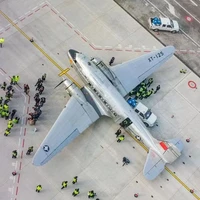
An Empirical Analysis of Compute-Optimal Inference for Problem-Solving with Language Models
The optimal training configurations of large language models (LLMs) with respect to model sizes and compute budgets have been extensively studied. But how to optimally configure LLMs during inference has not been explored in sufficient depth. We study compute-optimal inference: designing models and inference strategies that optimally trade off additional inference-time compute for improved performance. As a first step towards understanding and designing compute-optimal inference methods, we assessed the effectiveness and computational efficiency of multiple inference strategies such as Greedy Search, Majority Voting, Best-of-N, Weighted Voting, and their variants on two different Tree Search algorithms, involving different model sizes and computational budgets. We found that a smaller language model with a novel tree search algorithm typically achieves a Pareto-optimal trade-off. These results highlight the potential benefits of deploying smaller models equipped with more sophisticated decoding algorithms in budget-constrained scenarios, e.g., on end-devices, to enhance problem-solving accuracy. For instance, we show that the Llemma-7B model can achieve competitive accuracy to a Llemma-34B model on MATH500 while using 2times less FLOPs. Our findings could potentially apply to any generation task with a well-defined measure of success.


Relation DETR: Exploring Explicit Position Relation Prior for Object Detection
This paper presents a general scheme for enhancing the convergence and performance of DETR (DEtection TRansformer). We investigate the slow convergence problem in transformers from a new perspective, suggesting that it arises from the self-attention that introduces no structural bias over inputs. To address this issue, we explore incorporating position relation prior as attention bias to augment object detection, following the verification of its statistical significance using a proposed quantitative macroscopic correlation (MC) metric. Our approach, termed Relation-DETR, introduces an encoder to construct position relation embeddings for progressive attention refinement, which further extends the traditional streaming pipeline of DETR into a contrastive relation pipeline to address the conflicts between non-duplicate predictions and positive supervision. Extensive experiments on both generic and task-specific datasets demonstrate the effectiveness of our approach. Under the same configurations, Relation-DETR achieves a significant improvement (+2.0% AP compared to DINO), state-of-the-art performance (51.7% AP for 1x and 52.1% AP for 2x settings), and a remarkably faster convergence speed (over 40% AP with only 2 training epochs) than existing DETR detectors on COCO val2017. Moreover, the proposed relation encoder serves as a universal plug-in-and-play component, bringing clear improvements for theoretically any DETR-like methods. Furthermore, we introduce a class-agnostic detection dataset, SA-Det-100k. The experimental results on the dataset illustrate that the proposed explicit position relation achieves a clear improvement of 1.3% AP, highlighting its potential towards universal object detection. The code and dataset are available at https://github.com/xiuqhou/Relation-DETR.

ReSee: Responding through Seeing Fine-grained Visual Knowledge in Open-domain Dialogue
Incorporating visual knowledge into text-only dialogue systems has become a potential direction to imitate the way humans think, imagine, and communicate. However, existing multimodal dialogue systems are either confined by the scale and quality of available datasets or the coarse concept of visual knowledge. To address these issues, we provide a new paradigm of constructing multimodal dialogues as well as two datasets extended from text-only dialogues under such paradigm (ReSee-WoW, ReSee-DD). We propose to explicitly split the visual knowledge into finer granularity (``turn-level'' and ``entity-level''). To further boost the accuracy and diversity of augmented visual information, we retrieve them from the Internet or a large image dataset. To demonstrate the superiority and universality of the provided visual knowledge, we propose a simple but effective framework ReSee to add visual representation into vanilla dialogue models by modality concatenations. We also conduct extensive experiments and ablations w.r.t. different model configurations and visual knowledge settings. Empirical, encouraging results not only demonstrate the effectiveness of introducing visual knowledge at both entity and turn level but also verify the proposed model ReSee outperforms several state-of-the-art methods on automatic and human evaluations. By leveraging text and vision knowledge, ReSee can produce informative responses with real-world visual concepts. Our code is available at https://github.com/ImKeTT/ReSee.

Evaluation of Surrogate Models for Multi-fin Flapping Propulsion Systems
The aim of this study is to develop surrogate models for quick, accurate prediction of thrust forces generated through flapping fin propulsion for given operating conditions and fin geometries. Different network architectures and configurations are explored to model the training data separately for the lead fin and rear fin of a tandem fin setup. We progressively improve the data representation of the input parameter space for model predictions. The models are tested on three unseen fin geometries and the predictions validated with computational fluid dynamics (CFD) data. Finally, the orders of magnitude gains in computational performance of these surrogate models, compared to experimental and CFD runs, vs their tradeoff with accuracy is discussed within the context of this tandem fin configuration.
DeepTRACE: Auditing Deep Research AI Systems for Tracking Reliability Across Citations and Evidence
Generative search engines and deep research LLM agents promise trustworthy, source-grounded synthesis, yet users regularly encounter overconfidence, weak sourcing, and confusing citation practices. We introduce DeepTRACE, a novel sociotechnically grounded audit framework that turns prior community-identified failure cases into eight measurable dimensions spanning answer text, sources, and citations. DeepTRACE uses statement-level analysis (decomposition, confidence scoring) and builds citation and factual-support matrices to audit how systems reason with and attribute evidence end-to-end. Using automated extraction pipelines for popular public models (e.g., GPT-4.5/5, You.com, Perplexity, Copilot/Bing, Gemini) and an LLM-judge with validated agreement to human raters, we evaluate both web-search engines and deep-research configurations. Our findings show that generative search engines and deep research agents frequently produce one-sided, highly confident responses on debate queries and include large fractions of statements unsupported by their own listed sources. Deep-research configurations reduce overconfidence and can attain high citation thoroughness, but they remain highly one-sided on debate queries and still exhibit large fractions of unsupported statements, with citation accuracy ranging from 40--80% across systems.

Large Language Models for Oral History Understanding with Text Classification and Sentiment Analysis
Oral histories are vital records of lived experience, particularly within communities affected by systemic injustice and historical erasure. Effective and efficient analysis of their oral history archives can promote access and understanding of the oral histories. However, Large-scale analysis of these archives remains limited due to their unstructured format, emotional complexity, and high annotation costs. This paper presents a scalable framework to automate semantic and sentiment annotation for Japanese American Incarceration Oral History. Using LLMs, we construct a high-quality dataset, evaluate multiple models, and test prompt engineering strategies in historically sensitive contexts. Our multiphase approach combines expert annotation, prompt design, and LLM evaluation with ChatGPT, Llama, and Qwen. We labeled 558 sentences from 15 narrators for sentiment and semantic classification, then evaluated zero-shot, few-shot, and RAG strategies. For semantic classification, ChatGPT achieved the highest F1 score (88.71%), followed by Llama (84.99%) and Qwen (83.72%). For sentiment analysis, Llama slightly outperformed Qwen (82.66%) and ChatGPT (82.29%), with all models showing comparable results. The best prompt configurations were used to annotate 92,191 sentences from 1,002 interviews in the JAIOH collection. Our findings show that LLMs can effectively perform semantic and sentiment annotation across large oral history collections when guided by well-designed prompts. This study provides a reusable annotation pipeline and practical guidance for applying LLMs in culturally sensitive archival analysis. By bridging archival ethics with scalable NLP techniques, this work lays the groundwork for responsible use of artificial intelligence in digital humanities and preservation of collective memory. GitHub: https://github.com/kc6699c/LLM4OralHistoryAnalysis.

The Open DAC 2025 Dataset for Sorbent Discovery in Direct Air Capture
Identifying useful sorbent materials for direct air capture (DAC) from humid air remains a challenge. We present the Open DAC 2025 (ODAC25) dataset, a significant expansion and improvement upon ODAC23 (Sriram et al., ACS Central Science, 10 (2024) 923), comprising nearly 70 million DFT single-point calculations for CO_2, H_2O, N_2, and O_2 adsorption in 15,000 MOFs. ODAC25 introduces chemical and configurational diversity through functionalized MOFs, high-energy GCMC-derived placements, and synthetically generated frameworks. ODAC25 also significantly improves upon the accuracy of DFT calculations and the treatment of flexible MOFs in ODAC23. Along with the dataset, we release new state-of-the-art machine-learned interatomic potentials trained on ODAC25 and evaluate them on adsorption energy and Henry's law coefficient predictions.
Exploring Adapter Design Tradeoffs for Low Resource Music Generation
Fine-tuning large-scale music generation models, such as MusicGen and Mustango, is a computationally expensive process, often requiring updates to billions of parameters and, therefore, significant hardware resources. Parameter-Efficient Fine-Tuning (PEFT) techniques, particularly adapter-based methods, have emerged as a promising alternative, enabling adaptation with minimal trainable parameters while preserving model performance. However, the design choices for adapters, including their architecture, placement, and size, are numerous, and it is unclear which of these combinations would produce optimal adapters and why, for a given case of low-resource music genre. In this paper, we attempt to answer this question by studying various adapter configurations for two AI music models, MusicGen and Mustango, on two genres: Hindustani Classical and Turkish Makam music. Our findings reveal distinct trade-offs: convolution-based adapters excel in capturing fine-grained local musical details such as ornamentations and short melodic phrases, while transformer-based adapters better preserve long-range dependencies crucial for structured improvisation. Additionally, we analyze computational resource requirements across different adapter scales, demonstrating how mid-sized adapters (40M parameters) achieve an optimal balance between expressivity and quality. Furthermore, we find that Mustango, a diffusion-based model, generates more diverse outputs with better adherence to the description in the input prompt while lacking in providing stability in notes, rhythm alignment, and aesthetics. Also, it is computationally intensive and requires significantly more time to train. In contrast, autoregressive models like MusicGen offer faster training and are more efficient, and can produce better quality output in comparison, but have slightly higher redundancy in their generations.
Chunk Twice, Embed Once: A Systematic Study of Segmentation and Representation Trade-offs in Chemistry-Aware Retrieval-Augmented Generation
Retrieval-Augmented Generation (RAG) systems are increasingly vital for navigating the ever-expanding body of scientific literature, particularly in high-stakes domains such as chemistry. Despite the promise of RAG, foundational design choices -- such as how documents are segmented and represented -- remain underexplored in domain-specific contexts. This study presents the first large-scale, systematic evaluation of chunking strategies and embedding models tailored to chemistry-focused RAG systems. We investigate 25 chunking configurations across five method families and evaluate 48 embedding models on three chemistry-specific benchmarks, including the newly introduced QuestChemRetrieval dataset. Our results reveal that recursive token-based chunking (specifically R100-0) consistently outperforms other approaches, offering strong performance with minimal resource overhead. We also find that retrieval-optimized embeddings -- such as Nomic and Intfloat E5 variants -- substantially outperform domain-specialized models like SciBERT. By releasing our datasets, evaluation framework, and empirical benchmarks, we provide actionable guidelines for building effective and efficient chemistry-aware RAG systems.
Exploring Generative Error Correction for Dysarthric Speech Recognition
Despite the remarkable progress in end-to-end Automatic Speech Recognition (ASR) engines, accurately transcribing dysarthric speech remains a major challenge. In this work, we proposed a two-stage framework for the Speech Accessibility Project Challenge at INTERSPEECH 2025, which combines cutting-edge speech recognition models with LLM-based generative error correction (GER). We assess different configurations of model scales and training strategies, incorporating specific hypothesis selection to improve transcription accuracy. Experiments on the Speech Accessibility Project dataset demonstrate the strength of our approach on structured and spontaneous speech, while highlighting challenges in single-word recognition. Through comprehensive analysis, we provide insights into the complementary roles of acoustic and linguistic modeling in dysarthric speech recognition


CRAKEN: Cybersecurity LLM Agent with Knowledge-Based Execution
Large Language Model (LLM) agents can automate cybersecurity tasks and can adapt to the evolving cybersecurity landscape without re-engineering. While LLM agents have demonstrated cybersecurity capabilities on Capture-The-Flag (CTF) competitions, they have two key limitations: accessing latest cybersecurity expertise beyond training data, and integrating new knowledge into complex task planning. Knowledge-based approaches that incorporate technical understanding into the task-solving automation can tackle these limitations. We present CRAKEN, a knowledge-based LLM agent framework that improves cybersecurity capability through three core mechanisms: contextual decomposition of task-critical information, iterative self-reflected knowledge retrieval, and knowledge-hint injection that transforms insights into adaptive attack strategies. Comprehensive evaluations with different configurations show CRAKEN's effectiveness in multi-stage vulnerability detection and exploitation compared to previous approaches. Our extensible architecture establishes new methodologies for embedding new security knowledge into LLM-driven cybersecurity agentic systems. With a knowledge database of CTF writeups, CRAKEN obtained an accuracy of 22% on NYU CTF Bench, outperforming prior works by 3% and achieving state-of-the-art results. On evaluation of MITRE ATT&CK techniques, CRAKEN solves 25-30% more techniques than prior work, demonstrating improved cybersecurity capabilities via knowledge-based execution. We make our framework open source to public https://github.com/NYU-LLM-CTF/nyuctf_agents_craken.
Enhancing Low-Resource Minority Language Translation with LLMs and Retrieval-Augmented Generation for Cultural Nuances
This study investigates the challenges of translating low-resource languages by integrating Large Language Models (LLMs) with Retrieval-Augmented Generation (RAG). Various model configurations were tested on Hakka translations, with BLEU scores ranging from 12% (dictionary-only) to 31% (RAG with Gemini 2.0). The best-performing model (Model 4) combined retrieval and advanced language modeling, improving lexical coverage, particularly for specialized or culturally nuanced terms, and enhancing grammatical coherence. A two-stage method (Model 3) using dictionary outputs refined by Gemini 2.0 achieved a BLEU score of 26%, highlighting iterative correction's value and the challenges of domain-specific expressions. Static dictionary-based approaches struggled with context-sensitive content, demonstrating the limitations of relying solely on predefined resources. These results emphasize the need for curated resources, domain knowledge, and ethical collaboration with local communities, offering a framework that improves translation accuracy and fluency while supporting cultural preservation.
GaussRender: Learning 3D Occupancy with Gaussian Rendering
Understanding the 3D geometry and semantics of driving scenes is critical for safe autonomous driving. Recent advances in 3D occupancy prediction have improved scene representation but often suffer from spatial inconsistencies, leading to floating artifacts and poor surface localization. Existing voxel-wise losses (e.g., cross-entropy) fail to enforce geometric coherence. In this paper, we propose GaussRender, a module that improves 3D occupancy learning by enforcing projective consistency. Our key idea is to project both predicted and ground-truth 3D occupancy into 2D camera views, where we apply supervision. Our method penalizes 3D configurations that produce inconsistent 2D projections, thereby enforcing a more coherent 3D structure. To achieve this efficiently, we leverage differentiable rendering with Gaussian splatting. GaussRender seamlessly integrates with existing architectures while maintaining efficiency and requiring no inference-time modifications. Extensive evaluations on multiple benchmarks (SurroundOcc-nuScenes, Occ3D-nuScenes, SSCBench-KITTI360) demonstrate that GaussRender significantly improves geometric fidelity across various 3D occupancy models (TPVFormer, SurroundOcc, Symphonies), achieving state-of-the-art results, particularly on surface-sensitive metrics. The code is open-sourced at https://github.com/valeoai/GaussRender.
MultiPruner: Balanced Structure Removal in Foundation Models
Recently, state-of-the-art approaches for pruning large pre-trained models (LPMs) have demonstrated that the training-free removal of non-critical residual blocks in Transformers is viable for reducing model size, achieving results that outperform previous training-free pruning approaches. Motivated by these findings, we extend BlockPruner (Zhong et al., 2024) and propose MultiPruner, a pruning approach that surpasses recent training-free pruning methods by adopting a multidimensional, iterative, fine-grained pruning strategy. In MultiPruner, multidimensional pruning reinstates the structural balance in block-pruned models by sequentially compressing along three dimensions: i) residual blocks, ii) channels of multilayer perceptrons (MLP), and iii) attention heads. This solution enhances zero-shot accuracy on downstream tasks compared to other techniques while improving model compression ratios, producing compressed models with fewer computing and memory requirements. Extensive experiments demonstrate the advantages of the proposed method across various large pre-trained models. The code and pruning configurations are available at https://github.com/IntelLabs/Hardware-Aware-Automated-Machine-Learning.


Unveiling the Secret Recipe: A Guide For Supervised Fine-Tuning Small LLMs
The rise of large language models (LLMs) has created a significant disparity: industrial research labs with their computational resources, expert teams, and advanced infrastructures, can effectively fine-tune LLMs, while individual developers and small organizations face barriers due to limited resources. In this paper, we aim to bridge this gap by presenting a comprehensive study on supervised fine-tuning of LLMs using instruction-tuning datasets spanning diverse knowledge domains and skills. We focus on small-sized LLMs (3B to 7B parameters) for their cost-efficiency and accessibility. We explore various training configurations and strategies across four open-source pre-trained models. We provide detailed documentation of these configurations, revealing findings that challenge several common training practices, including hyperparameter recommendations from TULU and phased training recommended by Orca. Key insights from our work include: (i) larger batch sizes paired with lower learning rates lead to improved model performance on benchmarks such as MMLU, MTBench, and Open LLM Leaderboard; (ii) early-stage training dynamics, such as lower gradient norms and higher loss values, are strong indicators of better final model performance, enabling early termination of sub-optimal runs and significant computational savings; (iii) through a thorough exploration of hyperparameters like warmup steps and learning rate schedules, we provide guidance for practitioners and find that certain simplifications do not compromise performance; and (iv) we observed no significant difference in performance between phased and stacked training strategies, but stacked training is simpler and more sample efficient. With these findings holding robustly across datasets and models, we hope this study serves as a guide for practitioners fine-tuning small LLMs and promotes a more inclusive environment for LLM research.

Adaptations of AI models for querying the LandMatrix database in natural language
The Land Matrix initiative (https://landmatrix.org) and its global observatory aim to provide reliable data on large-scale land acquisitions to inform debates and actions in sectors such as agriculture, extraction, or energy in low- and middle-income countries. Although these data are recognized in the academic world, they remain underutilized in public policy, mainly due to the complexity of access and exploitation, which requires technical expertise and a good understanding of the database schema. The objective of this work is to simplify access to data from different database systems. The methods proposed in this article are evaluated using data from the Land Matrix. This work presents various comparisons of Large Language Models (LLMs) as well as combinations of LLM adaptations (Prompt Engineering, RAG, Agents) to query different database systems (GraphQL and REST queries). The experiments are reproducible, and a demonstration is available online: https://github.com/tetis-nlp/landmatrix-graphql-python.


Zero-Shot Automatic Annotation and Instance Segmentation using LLM-Generated Datasets: Eliminating Field Imaging and Manual Annotation for Deep Learning Model Development
Currently, deep learning-based instance segmentation for various applications (e.g., Agriculture) is predominantly performed using a labor-intensive process involving extensive field data collection using sophisticated sensors, followed by careful manual annotation of images, presenting significant logistical and financial challenges to researchers and organizations. The process also slows down the model development and training process. In this study, we presented a novel method for deep learning-based instance segmentation of apples in commercial orchards that eliminates the need for labor-intensive field data collection and manual annotation. Utilizing a Large Language Model (LLM), we synthetically generated orchard images and automatically annotated them using the Segment Anything Model (SAM) integrated with a YOLO11 base model. This method significantly reduces reliance on physical sensors and manual data processing, presenting a major advancement in "Agricultural AI". The synthetic, auto-annotated dataset was used to train the YOLO11 model for Apple instance segmentation, which was then validated on real orchard images. The results showed that the automatically generated annotations achieved a Dice Coefficient of 0.9513 and an IoU of 0.9303, validating the accuracy and overlap of the mask annotations. All YOLO11 configurations, trained solely on these synthetic datasets with automated annotations, accurately recognized and delineated apples, highlighting the method's efficacy. Specifically, the YOLO11m-seg configuration achieved a mask precision of 0.902 and a mask mAP@50 of 0.833 on test images collected from a commercial orchard. Additionally, the YOLO11l-seg configuration outperformed other models in validation on 40 LLM-generated images, achieving the highest mask precision and mAP@50 metrics. Keywords: YOLO, SAM, SAMv2, YOLO11, YOLOv11, Segment Anything, YOLO-SAM
SELA: Tree-Search Enhanced LLM Agents for Automated Machine Learning
Automated Machine Learning (AutoML) approaches encompass traditional methods that optimize fixed pipelines for model selection and ensembling, as well as newer LLM-based frameworks that autonomously build pipelines. While LLM-based agents have shown promise in automating machine learning tasks, they often generate low-diversity and suboptimal code, even after multiple iterations. To overcome these limitations, we introduce Tree-Search Enhanced LLM Agents (SELA), an innovative agent-based system that leverages Monte Carlo Tree Search (MCTS) to optimize the AutoML process. By representing pipeline configurations as trees, our framework enables agents to conduct experiments intelligently and iteratively refine their strategies, facilitating a more effective exploration of the machine learning solution space. This novel approach allows SELA to discover optimal pathways based on experimental feedback, improving the overall quality of the solutions. In an extensive evaluation across 20 machine learning datasets, we compare the performance of traditional and agent-based AutoML methods, demonstrating that SELA achieves a win rate of 65% to 80% against each baseline across all datasets. These results underscore the significant potential of agent-based strategies in AutoML, offering a fresh perspective on tackling complex machine learning challenges.


Optimistic Games for Combinatorial Bayesian Optimization with Application to Protein Design
Bayesian optimization (BO) is a powerful framework to optimize black-box expensive-to-evaluate functions via sequential interactions. In several important problems (e.g. drug discovery, circuit design, neural architecture search, etc.), though, such functions are defined over large combinatorial and unstructured spaces. This makes existing BO algorithms not feasible due to the intractable maximization of the acquisition function over these domains. To address this issue, we propose GameOpt, a novel game-theoretical approach to combinatorial BO. GameOpt establishes a cooperative game between the different optimization variables, and selects points that are game equilibria of an upper confidence bound acquisition function. These are stable configurations from which no variable has an incentive to deviate- analog to local optima in continuous domains. Crucially, this allows us to efficiently break down the complexity of the combinatorial domain into individual decision sets, making GameOpt scalable to large combinatorial spaces. We demonstrate the application of GameOpt to the challenging protein design problem and validate its performance on four real-world protein datasets. Each protein can take up to 20^{X} possible configurations, where X is the length of a protein, making standard BO methods infeasible. Instead, our approach iteratively selects informative protein configurations and very quickly discovers highly active protein variants compared to other baselines.

Inference-Friendly Models With MixAttention
The size of the key-value (KV) cache plays a critical role in determining both the maximum context length and the number of concurrent requests supported during inference in modern language models. The KV cache size grows proportionally with the number of attention heads and the tokens processed, leading to increased memory consumption and slower inference for long inputs. In this work, we explore the use of MixAttention, a model architecture modification closely related to a blog published by Character.AI. MixAttention combines sliding window attention, where only a small subset of recent tokens is stored in the KV cache, with KV cache sharing across layers. Our experiments demonstrate that MixAttention significantly reduces memory usage and improves inference speed without sacrificing model performance in both short and long-context tasks. We also explore various configurations of this architecture, identifying those that maintain quality across evaluation metrics while optimizing resource efficiency.




The Fellowship of the LLMs: Multi-Agent Workflows for Synthetic Preference Optimization Dataset Generation
This paper presents synthetic Preference Optimization (PO) datasets generated using multi-agent workflows and evaluates the effectiveness and potential of these workflows in the dataset generation process. PO dataset generation requires two modules: (1) response evaluation, and (2) response generation. In the response evaluation module, the responses from Large Language Models (LLMs) are evaluated and ranked - a task typically carried out by human annotators that we automate using LLMs. We assess the response evaluation module in a 2 step process. In step 1, we assess LLMs as evaluators using three distinct prompting strategies. In step 2, we apply the winning prompting strategy to compare the performance of LLM-as-a-Judge, LLMs-as-a-Jury, and LLM Debate. In each step, we use inter-rater agreement using Cohen's Kappa between human annotators and LLMs. For the response generation module, we compare different configurations for the LLM Feedback Loop using the identified LLM evaluator configuration. We use the win rate (the fraction of times a generation framework is selected as the best by an LLM evaluator) to determine the best multi-agent configuration for generation. After identifying the best configurations for both modules, we use models from the GPT, Gemma, and Llama families to generate our PO datasets using the above pipeline. We generate two types of PO datasets, one to improve the generation capabilities of individual LLM and the other to improve the multi-agent workflow. Our evaluation shows that GPT-4o-as-a-Judge is more consistent across datasets when the candidate responses do not include responses from the GPT family. Additionally, we find that the LLM Feedback Loop, with Llama as the generator and Gemma as the reviewer, achieves a notable 71.8% and 73.8% win rate over single-agent Llama and Gemma, respectively.
Comprehensive Performance Evaluation of YOLOv12, YOLO11, YOLOv10, YOLOv9 and YOLOv8 on Detecting and Counting Fruitlet in Complex Orchard Environments
This study systematically performed an extensive real-world evaluation of the performances of all configurations of YOLOv8, YOLOv9, YOLOv10, YOLO11( or YOLOv11), and YOLOv12 object detection algorithms in terms of precision, recall, mean Average Precision at 50\% Intersection over Union (mAP@50), and computational speeds including pre-processing, inference, and post-processing times immature green apple (or fruitlet) detection in commercial orchards. Additionally, this research performed and validated in-field counting of the fruitlets using an iPhone and machine vision sensors. Among the configurations, YOLOv12l recorded the highest recall rate at 0.90, compared to all other configurations of YOLO models. Likewise, YOLOv10x achieved the highest precision score of 0.908, while YOLOv9 Gelan-c attained a precision of 0.903. Analysis of [email protected] revealed that YOLOv9 Gelan-base and YOLOv9 Gelan-e reached peak scores of 0.935, with YOLO11s and YOLOv12l following closely at 0.933 and 0.931, respectively. For counting validation using images captured with an iPhone 14 Pro, the YOLO11n configuration demonstrated outstanding accuracy, recording RMSE values of 4.51 for Honeycrisp, 4.59 for Cosmic Crisp, 4.83 for Scilate, and 4.96 for Scifresh; corresponding MAE values were 4.07, 3.98, 7.73, and 3.85. Similar performance trends were observed with RGB-D sensor data. Moreover, sensor-specific training on Intel Realsense data significantly enhanced model performance. YOLOv11n achieved highest inference speed of 2.4 ms, outperforming YOLOv8n (4.1 ms), YOLOv9 Gelan-s (11.5 ms), YOLOv10n (5.5 ms), and YOLOv12n (4.6 ms), underscoring its suitability for real-time object detection applications. (YOLOv12 architecture, YOLOv11 Architecture, YOLOv12 object detection, YOLOv11 object detecion, YOLOv12 segmentation)
On the Effects of Heterogeneous Data Sources on Speech-to-Text Foundation Models
The Open Whisper-style Speech Model (OWSM) series was introduced to achieve full transparency in building advanced speech-to-text (S2T) foundation models. To this end, OWSM models are trained on 25 public speech datasets, which are heterogeneous in multiple ways. In this study, we advance the OWSM series by introducing OWSM v3.2, which improves on prior models by investigating and addressing the impacts of this data heterogeneity. Our study begins with a detailed analysis of each dataset, from which we derive two key strategies: data filtering with proxy task to enhance data quality, and the incorporation of punctuation and true-casing using an open large language model (LLM). With all other configurations staying the same, OWSM v3.2 improves performance over the OWSM v3.1 baseline while using 15% less training data.

LLMTune: Accelerate Database Knob Tuning with Large Language Models
Database knob tuning is a critical challenge in the database community, aiming to optimize knob values to enhance database performance for specific workloads. DBMS often feature hundreds of tunable knobs, posing a significant challenge for DBAs to recommend optimal configurations. Consequently, many machine learning-based tuning methods have been developed to automate this process. Despite the introduction of various optimizers, practical applications have unveiled a new problem: they typically require numerous workload runs to achieve satisfactory performance, a process that is both time-consuming and resource-intensive. This inefficiency largely stems from the optimal configuration often being substantially different from the default setting, necessitating multiple iterations during tuning. Recognizing this, we argue that an effective starting point could significantly reduce redundant exploration in less efficient areas, thereby potentially speeding up the tuning process for the optimizers. Based on this assumption, we introduce LLMTune, a large language model-based configuration generator designed to produce an initial, high-quality configuration for new workloads. These generated configurations can then serve as starting points for various base optimizers, accelerating their tuning processes. To obtain training data for LLMTune's supervised fine-tuning, we have devised a new automatic data generation framework capable of efficiently creating a large number of <workload, configuration> pairs. We have conducted thorough experiments to evaluate LLMTune's effectiveness with different workloads, such as TPC-H and JOB. In comparison to leading methods, LLMTune demonstrates a quicker ability to identify superior configurations. For instance, with the challenging TPC-H workload, our LLMTune achieves a significant 15.6x speed-up ratio in finding the best-performing configurations.

Efficient Parallelization Layouts for Large-Scale Distributed Model Training
Efficiently training large language models requires parallelizing across hundreds of hardware accelerators and invoking various compute and memory optimizations. When combined, many of these strategies have complex interactions regarding the final training efficiency. Prior work tackling this problem did not have access to the latest set of optimizations, such as FlashAttention or sequence parallelism. In this work, we conduct a comprehensive ablation study of possible training configurations for large language models. We distill this large study into several key recommendations for the most efficient training. For instance, we find that using a micro-batch size of 1 usually enables the most efficient training layouts. Larger micro-batch sizes necessitate activation checkpointing or higher degrees of model parallelism and also lead to larger pipeline bubbles. Our most efficient configurations enable us to achieve state-of-the-art training efficiency results over a range of model sizes, most notably a Model FLOPs utilization of 70.5% when training a Llama 13B model.

Bayesian Optimization Meets Self-Distillation
Bayesian optimization (BO) has contributed greatly to improving model performance by suggesting promising hyperparameter configurations iteratively based on observations from multiple training trials. However, only partial knowledge (i.e., the measured performances of trained models and their hyperparameter configurations) from previous trials is transferred. On the other hand, Self-Distillation (SD) only transfers partial knowledge learned by the task model itself. To fully leverage the various knowledge gained from all training trials, we propose the BOSS framework, which combines BO and SD. BOSS suggests promising hyperparameter configurations through BO and carefully selects pre-trained models from previous trials for SD, which are otherwise abandoned in the conventional BO process. BOSS achieves significantly better performance than both BO and SD in a wide range of tasks including general image classification, learning with noisy labels, semi-supervised learning, and medical image analysis tasks.
Autonomous Soundscape Augmentation with Multimodal Fusion of Visual and Participant-linked Inputs
Autonomous soundscape augmentation systems typically use trained models to pick optimal maskers to effect a desired perceptual change. While acoustic information is paramount to such systems, contextual information, including participant demographics and the visual environment, also influences acoustic perception. Hence, we propose modular modifications to an existing attention-based deep neural network, to allow early, mid-level, and late feature fusion of participant-linked, visual, and acoustic features. Ablation studies on module configurations and corresponding fusion methods using the ARAUS dataset show that contextual features improve the model performance in a statistically significant manner on the normalized ISO Pleasantness, to a mean squared error of 0.1194pm0.0012 for the best-performing all-modality model, against 0.1217pm0.0009 for the audio-only model. Soundscape augmentation systems can thereby leverage multimodal inputs for improved performance. We also investigate the impact of individual participant-linked factors using trained models to illustrate improvements in model explainability.

ZoeDepth: Zero-shot Transfer by Combining Relative and Metric Depth
This paper tackles the problem of depth estimation from a single image. Existing work either focuses on generalization performance disregarding metric scale, i.e. relative depth estimation, or state-of-the-art results on specific datasets, i.e. metric depth estimation. We propose the first approach that combines both worlds, leading to a model with excellent generalization performance while maintaining metric scale. Our flagship model, ZoeD-M12-NK, is pre-trained on 12 datasets using relative depth and fine-tuned on two datasets using metric depth. We use a lightweight head with a novel bin adjustment design called metric bins module for each domain. During inference, each input image is automatically routed to the appropriate head using a latent classifier. Our framework admits multiple configurations depending on the datasets used for relative depth pre-training and metric fine-tuning. Without pre-training, we can already significantly improve the state of the art (SOTA) on the NYU Depth v2 indoor dataset. Pre-training on twelve datasets and fine-tuning on the NYU Depth v2 indoor dataset, we can further improve SOTA for a total of 21% in terms of relative absolute error (REL). Finally, ZoeD-M12-NK is the first model that can jointly train on multiple datasets (NYU Depth v2 and KITTI) without a significant drop in performance and achieve unprecedented zero-shot generalization performance to eight unseen datasets from both indoor and outdoor domains. The code and pre-trained models are publicly available at https://github.com/isl-org/ZoeDepth .

Unified Speech-Text Pre-training for Speech Translation and Recognition
We describe a method to jointly pre-train speech and text in an encoder-decoder modeling framework for speech translation and recognition. The proposed method incorporates four self-supervised and supervised subtasks for cross modality learning. A self-supervised speech subtask leverages unlabelled speech data, and a (self-)supervised text to text subtask makes use of abundant text training data. Two auxiliary supervised speech tasks are included to unify speech and text modeling space. Our contribution lies in integrating linguistic information from the text corpus into the speech pre-training. Detailed analysis reveals learning interference among subtasks. Two pre-training configurations for speech translation and recognition, respectively, are presented to alleviate subtask interference. Our experiments show the proposed method can effectively fuse speech and text information into one model. It achieves between 1.7 and 2.3 BLEU improvement above the state of the art on the MuST-C speech translation dataset and comparable WERs to wav2vec 2.0 on the Librispeech speech recognition task.


Global Context Networks
The Non-Local Network (NLNet) presents a pioneering approach for capturing long-range dependencies within an image, via aggregating query-specific global context to each query position. However, through a rigorous empirical analysis, we have found that the global contexts modeled by the non-local network are almost the same for different query positions. In this paper, we take advantage of this finding to create a simplified network based on a query-independent formulation, which maintains the accuracy of NLNet but with significantly less computation. We further replace the one-layer transformation function of the non-local block by a two-layer bottleneck, which further reduces the parameter number considerably. The resulting network element, called the global context (GC) block, effectively models global context in a lightweight manner, allowing it to be applied at multiple layers of a backbone network to form a global context network (GCNet). Experiments show that GCNet generally outperforms NLNet on major benchmarks for various recognition tasks. The code and network configurations are available at https://github.com/xvjiarui/GCNet.

Progressive Transformers for End-to-End Sign Language Production
The goal of automatic Sign Language Production (SLP) is to translate spoken language to a continuous stream of sign language video at a level comparable to a human translator. If this was achievable, then it would revolutionise Deaf hearing communications. Previous work on predominantly isolated SLP has shown the need for architectures that are better suited to the continuous domain of full sign sequences. In this paper, we propose Progressive Transformers, a novel architecture that can translate from discrete spoken language sentences to continuous 3D skeleton pose outputs representing sign language. We present two model configurations, an end-to-end network that produces sign direct from text and a stacked network that utilises a gloss intermediary. Our transformer network architecture introduces a counter that enables continuous sequence generation at training and inference. We also provide several data augmentation processes to overcome the problem of drift and improve the performance of SLP models. We propose a back translation evaluation mechanism for SLP, presenting benchmark quantitative results on the challenging RWTH-PHOENIX-Weather-2014T(PHOENIX14T) dataset and setting baselines for future research.
Gestalt: a Stacking Ensemble for SQuAD2.0
We propose a deep-learning system -- for the SQuAD2.0 task -- that finds, or indicates the lack of, a correct answer to a question in a context paragraph. Our goal is to learn an ensemble of heterogeneous SQuAD2.0 models that, when blended properly, outperforms the best model in the ensemble per se. We created a stacking ensemble that combines top-N predictions from two models, based on ALBERT and RoBERTa, into a multiclass classification task to pick the best answer out of their predictions. We explored various ensemble configurations, input representations, and model architectures. For evaluation, we examined test-set EM and F1 scores; our best-performing ensemble incorporated a CNN-based meta-model and scored 87.117 and 90.306, respectively -- a relative improvement of 0.55% for EM and 0.61% for F1 scores, compared to the baseline performance of the best model in the ensemble, an ALBERT-based model, at 86.644 for EM and 89.760 for F1.

GCNet: Non-local Networks Meet Squeeze-Excitation Networks and Beyond
The Non-Local Network (NLNet) presents a pioneering approach for capturing long-range dependencies, via aggregating query-specific global context to each query position. However, through a rigorous empirical analysis, we have found that the global contexts modeled by non-local network are almost the same for different query positions within an image. In this paper, we take advantage of this finding to create a simplified network based on a query-independent formulation, which maintains the accuracy of NLNet but with significantly less computation. We further observe that this simplified design shares similar structure with Squeeze-Excitation Network (SENet). Hence we unify them into a three-step general framework for global context modeling. Within the general framework, we design a better instantiation, called the global context (GC) block, which is lightweight and can effectively model the global context. The lightweight property allows us to apply it for multiple layers in a backbone network to construct a global context network (GCNet), which generally outperforms both simplified NLNet and SENet on major benchmarks for various recognition tasks. The code and configurations are released at https://github.com/xvjiarui/GCNet.
Examples of renormalization group transformations for image sets
Using the example of configurations generated with the worm algorithm for the two-dimensional Ising model, we propose renormalization group (RG) transformations, inspired by the tensor RG, that can be applied to sets of images. We relate criticality to the logarithmic divergence of the largest principal component. We discuss the changes in link occupation under the RG transformation, suggest ways to obtain data collapse, and compare with the two state tensor RG approximation near the fixed point.